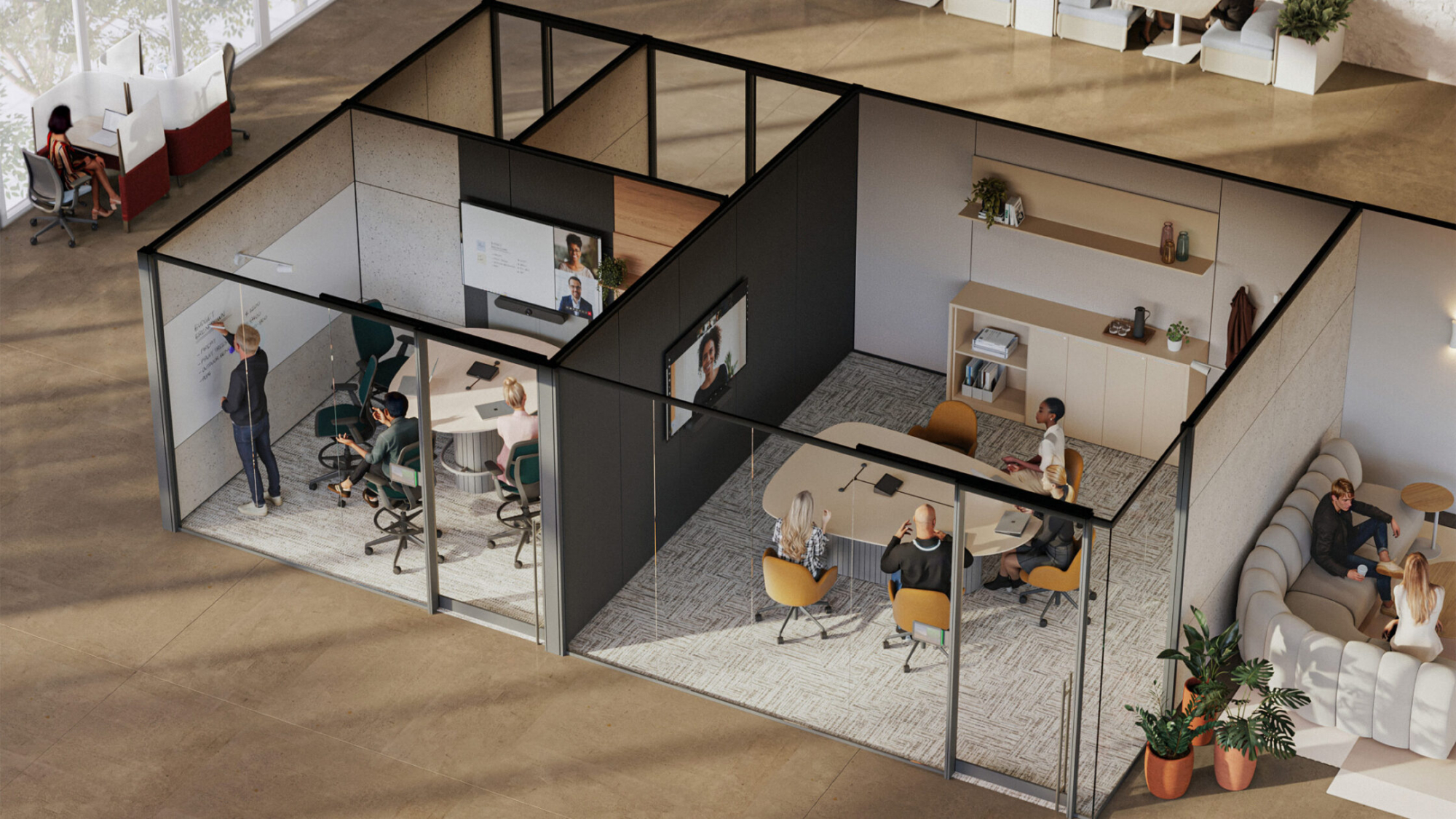
Conference Room Design: How to Create Spaces That Actually Work
Most offices don’t need more space—they need better-performing space.
When it comes to conference room design, many businesses are working with rooms that look right but don’t actually function well for meetings, collaboration, or hybrid work. As a result, these spaces often sit underused or create frustration instead of productivity.
Walk through your workplace and you’ll likely notice it:
Conference rooms sitting empty
Workstations that make it hard to focus
Lounge areas that look great but rarely get used
This isn’t a space issue—it’s a design issue.
Inspired by insights from Steelcase research, here’s how to rethink your office using smarter layouts, better furniture, and intentional design.
Why Conference Room Design Matters
Today’s office needs to support how people actually work. For example, employees are constantly shifting between focus work, collaboration, and hybrid meetings.
However, many conference rooms were designed for a different era. Because of this, they no longer support the way teams meet today.
That’s why businesses are rethinking conference room design to better align with real work behaviors.
5 Conference Room Design Ideas (and Other Office Spaces to Rethink)
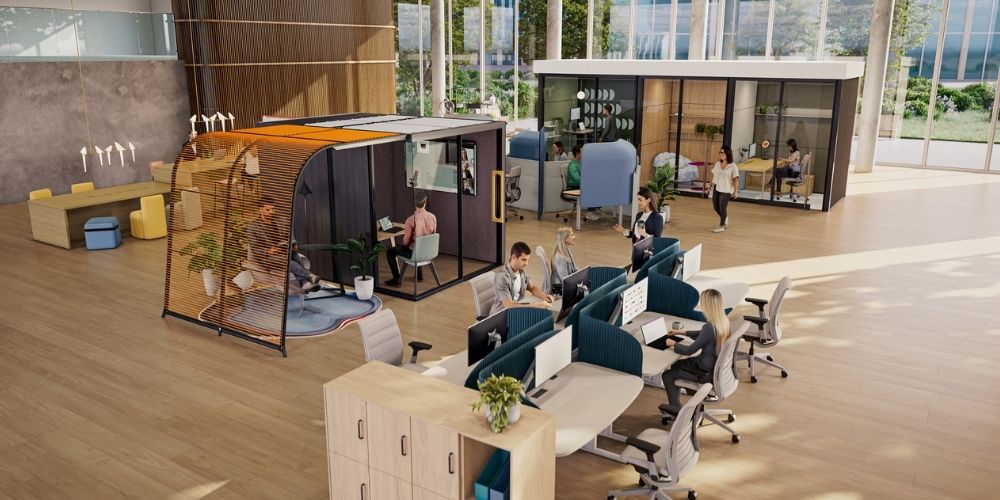
1. Conference Rooms That Go Unused
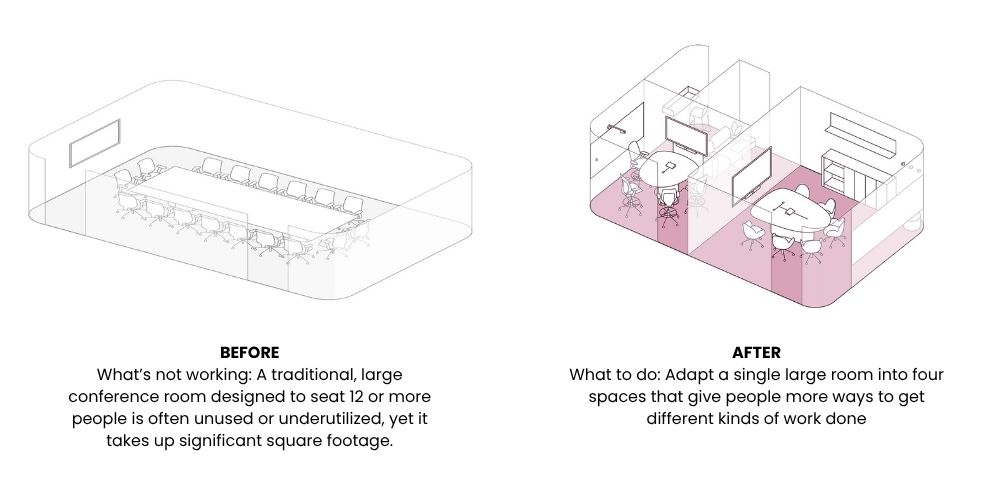
The problem: Large conference rooms are often underutilized and oversized for daily meetings.
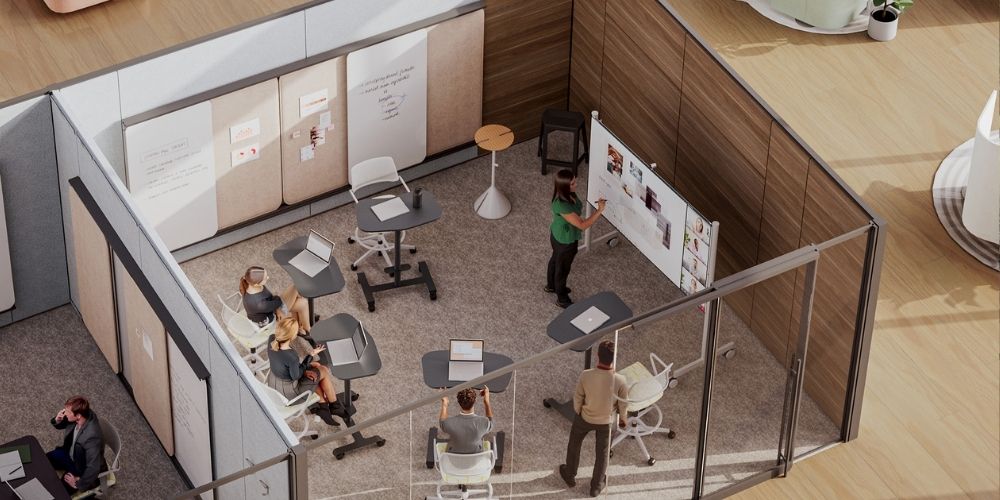
The fix: Instead, break them into smaller, more functional spaces:
Huddle rooms (3–5 people)
Video-enabled meeting rooms
Quick breakout spaces
A well-planned conference room design should match how your team actually meets—not just how the room looks on paper.
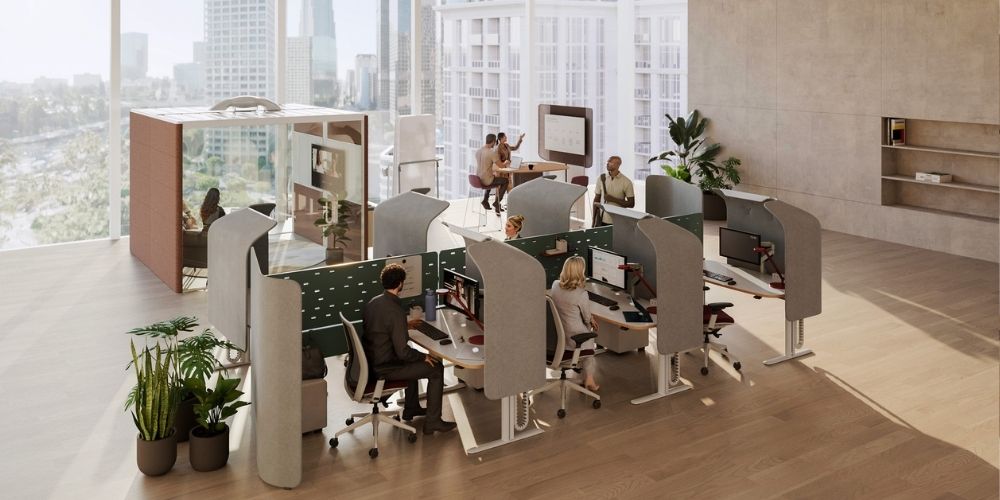
2. Open Workstations That Limit Focus
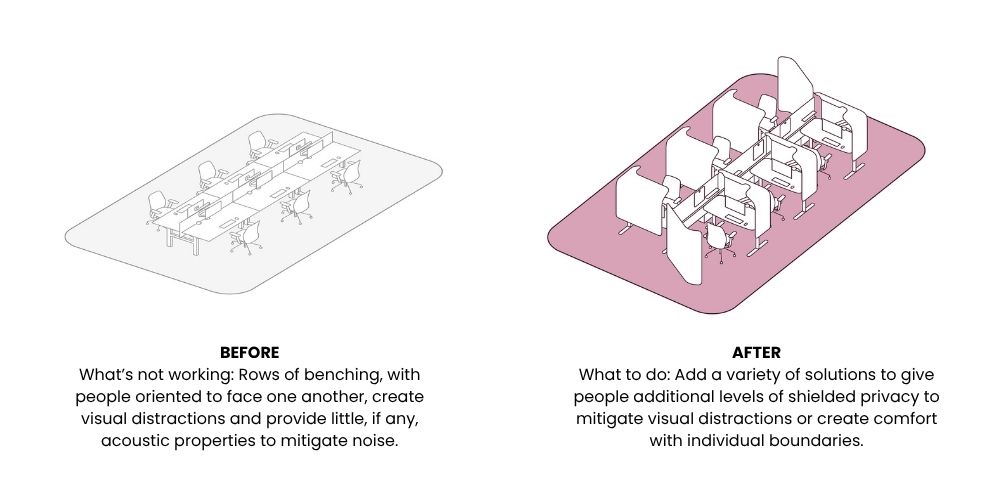
The problem: Open office layouts create distractions, noise, and lack of privacy.
The fix: To improve focus without sacrificing openness:
Add acoustic panels or screens
Reorient desks for privacy
Provide nearby focus rooms
Ultimately, the goal is balance—not eliminating open space, but making it usable.
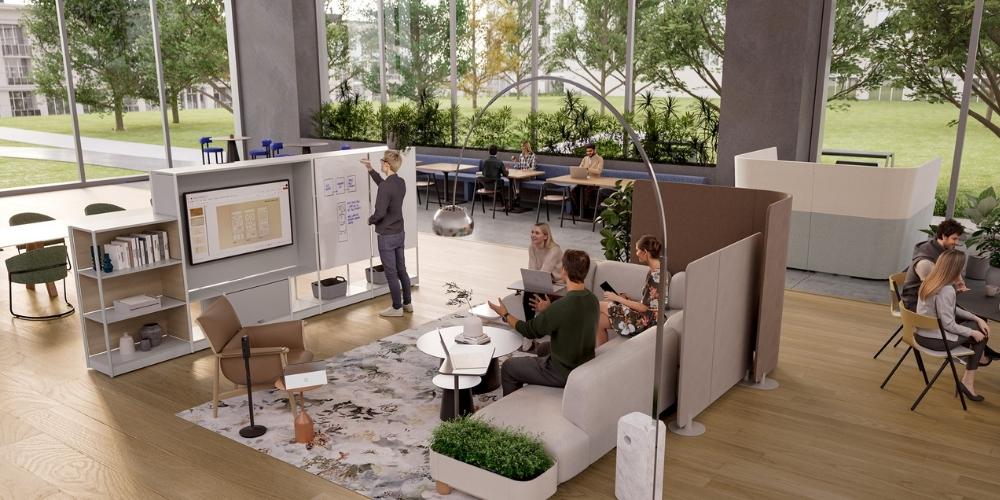
3. Lounge Areas That Don’t Get Used
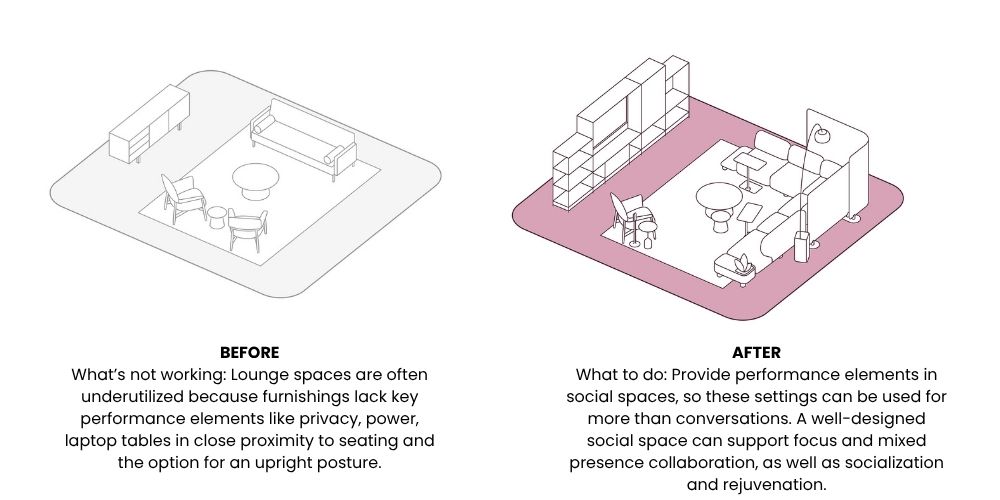
The problem: Many lounge areas are designed for looks rather than performance.
The fix: To make them functional:
Add power and charging
Include tables for laptops
Create zones for both focus and collaboration
As a result, these areas become some of the most used spaces in the office.
4. Breakrooms That Miss the Opportunity
The problem: Breakrooms are often limited to eating only.
The fix: Instead, turn them into flexible hubs:
Add varied seating
Create areas for informal meetings
Include storage like lockers or cubbies
Because of this, these spaces naturally support collaboration and connection.
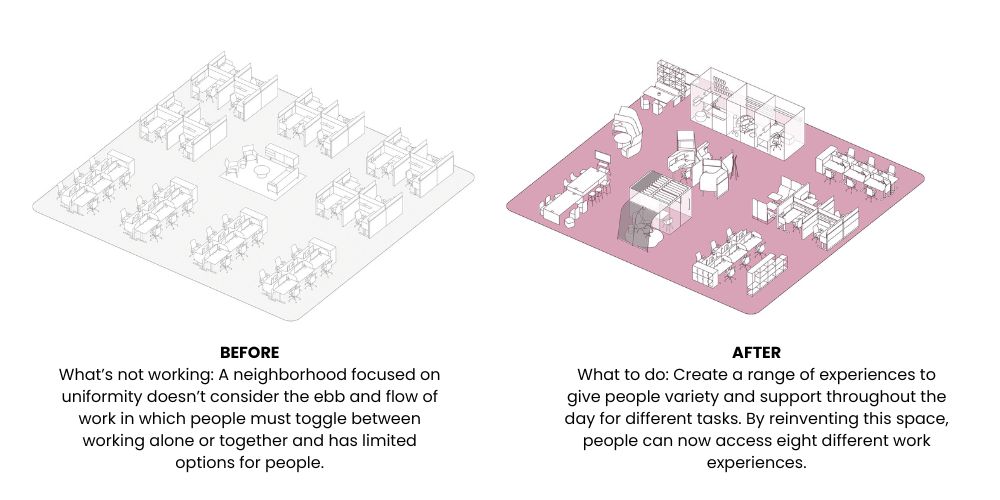
5. Static Layouts That Don’t Adapt
The problem: Traditional offices are fixed, but workstyles constantly change.
The fix: Design for flexibility:
Modular furniture systems
Mobile desks and storage
Spaces that can shift over time
This ensures your office stays relevant as your team evolves.
The Big Takeaway
Most offices aren’t underperforming because they’re too small. Instead, they’re underperforming because they weren’t designed for how people work today.
By improving your conference room design and overall layout, you can:
Improve productivity
Support hybrid work
Increase collaboration
Get more value from your space
How to Improve Your Conference Room Design
Start with a simple approach:
1. Identify underused areas Where are people not spending time?
2. Understand why Is it layout, noise, lack of technology, or comfort?
3. Add function Every space should support a purpose.
4. Think in zones Not just rooms—create experiences within your workplace.
How Create Spaces Can Help
At Create Spaces, we help companies rethink their environments through:
Office furniture solutions
Conference room design and AV integration
Workplace strategy and space planning
Modular walls and flexible environments
As a Steelcase partner, we bring proven research and real-world application together to create spaces that work better.
Final Thoughts
The best workplaces today aren’t bigger—they’re smarter.
If your space feels like it’s not working as hard as it could, it probably isn’t. However, the solution isn’t starting over.