Commercial Office Furniture: How to Design an Office People Actually Want to Work In 2026
If you’re searching for commercial office furniture, you’re probably not looking for trends. Instead, you’re asking practical questions about office furniture planning that impact real work.
For example, you may be wondering:
How do we design an office people actually want to come into?
What furniture supports focus and collaboration without constant rework?
How do we plan for technology, acoustics, and flexibility without overbuilding?
Can one partner really handle furniture, floors, walls, and technology together?
If those questions sound familiar, this article is for you.
At Create Spaces, we work with medium to large organizations every day. As a result, we help teams plan offices that function better, feel better, and last longer. Below, we’ll walk through what matters most when choosing commercial office furniture today—and how thoughtful office furniture planning helps you get it right the first time.
1. What People Really Want From Commercial Office Furniture
Employees don’t ask for design trends. Instead, they ask for spaces that work.
In most cases, that means:
Comfortable seating that reduces fatigue
Places to focus without constant noise distractions
Conference rooms that support hybrid meetings
Shared spaces that feel intentional, not leftover
Because of this, commercial office furniture should support how people work every day. It should not force teams into one rigid setup.
That’s why successful offices now include:
A mix of focused work areas and collaborative zones
Furniture that adapts as teams change
Materials that feel calm, durable, and easy to maintain
2. Flexibility Matters More Than Square Footage
One of the biggest questions businesses ask is simple: How do we future-proof our office without rebuilding every few years?
The answer isn’t more furniture. Instead, the answer is smarter furniture planning.
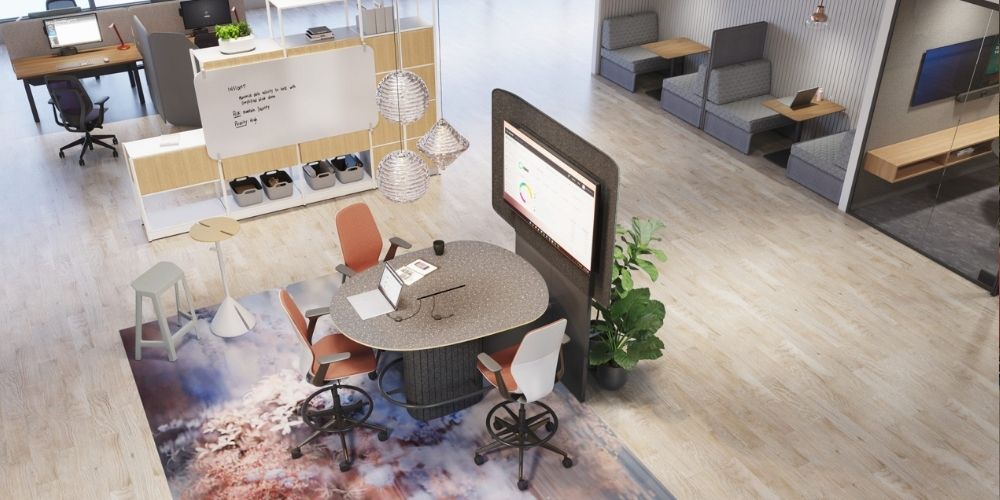
Rather than rows of identical desks, high-performing offices rely on:
Modular workstations that shift as teams evolve
Shared desks paired with lockers or mobile storage
Conference tables that support multiple meeting styles
Furniture that integrates power, data, and technology
As a result, teams gain choice while the office remains adaptable over time.
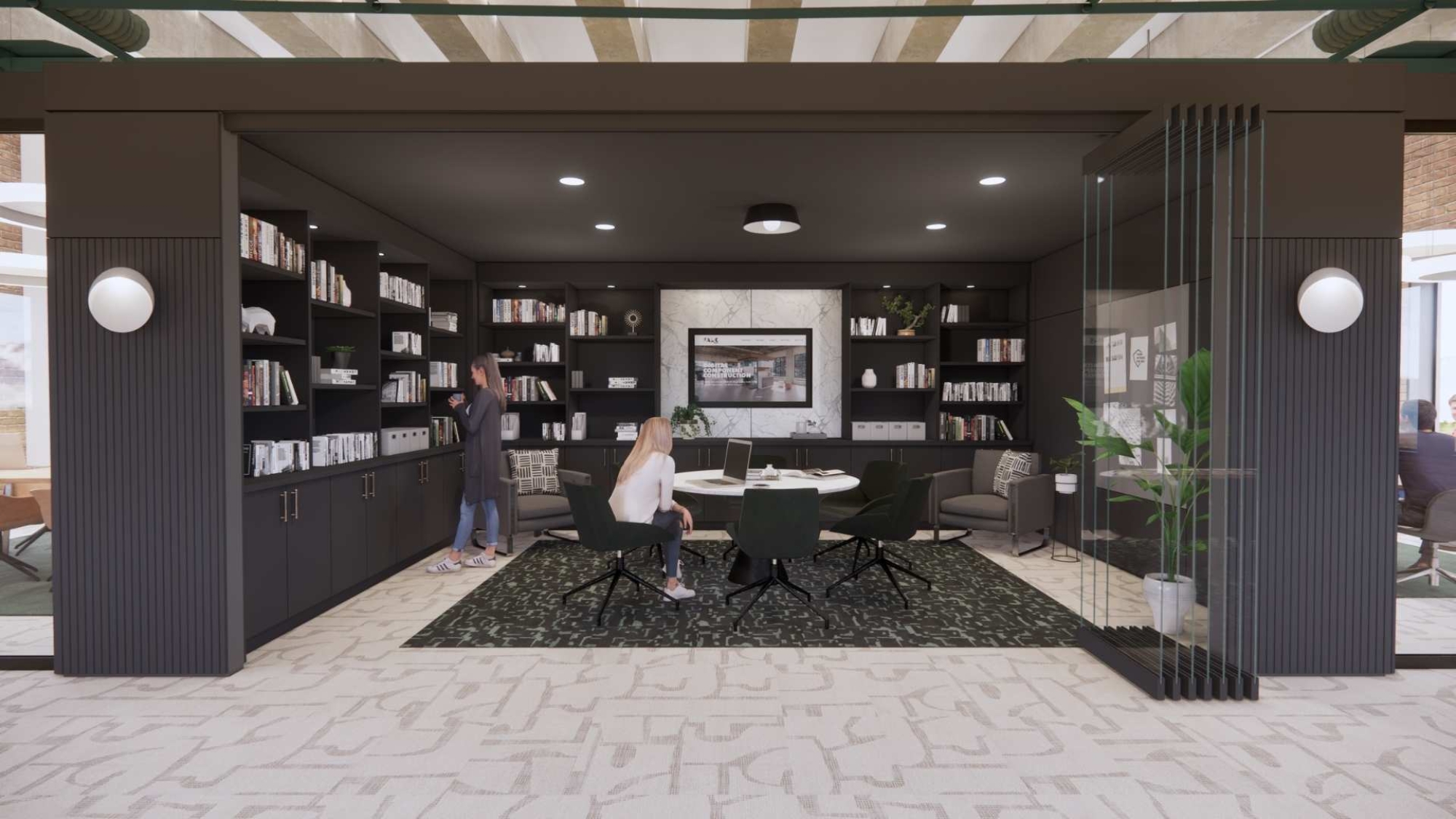
3. Conference Rooms Need to Do More Than One Job
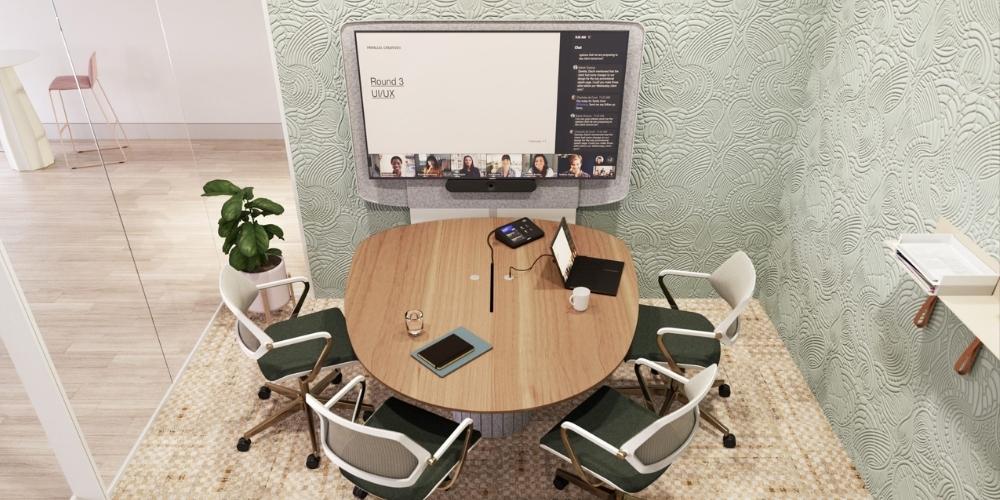
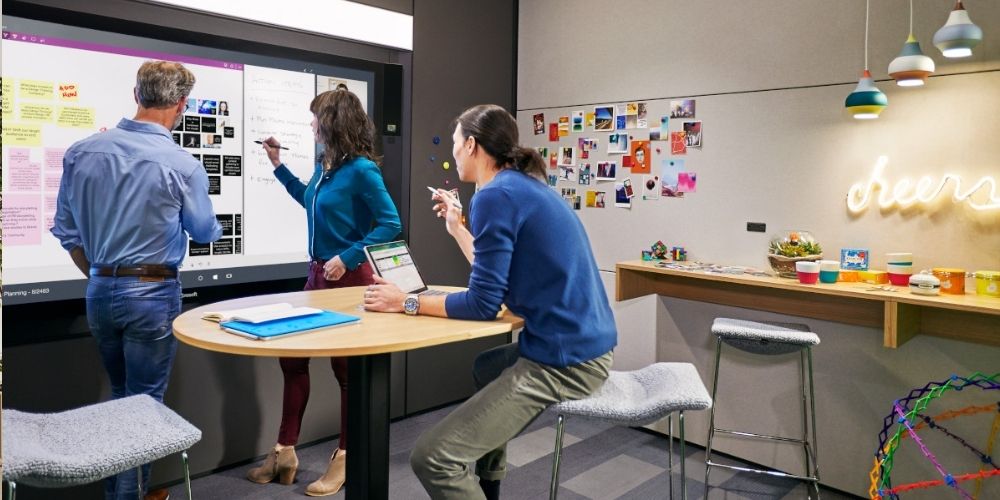
Conference rooms are no longer just for in-person meetings. Today, they must support a wider range of work.
For instance, modern conference rooms often need to handle:
Hybrid collaboration
Video calls and presentations
Workshops and small group sessions
A well-planned conference table anchors the room. It supports technology, improves sightlines, and sets the tone for collaboration. When paired with proper lighting, acoustics, and AV integration, conference spaces become assets rather than bottlenecks.
Because of this, Create Spaces designs conference rooms as complete systems—not just furniture drop-ins.
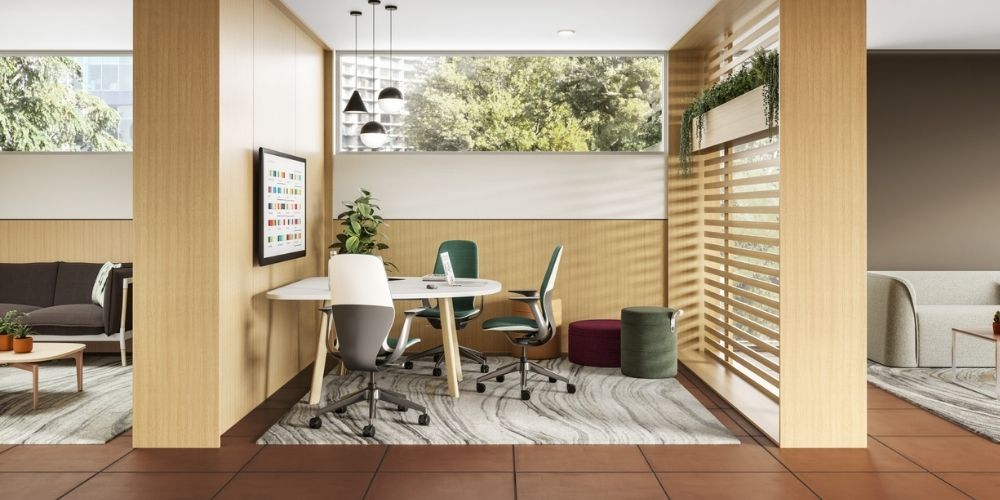
4. Comfort, Acoustics, and Well-Being Are Non-Negotiable
People are far more aware of how their environment affects how they feel. Because of that, comfort and acoustics now matter more than ever.
That’s why commercial office furniture decisions often include:
This approach isn’t about luxury. Instead, it’s about reducing friction during the workday.
When people are comfortable, they focus better. Meanwhile, when noise is managed, productivity improves. Ultimately, when spaces feel intentional, employees stay longer.
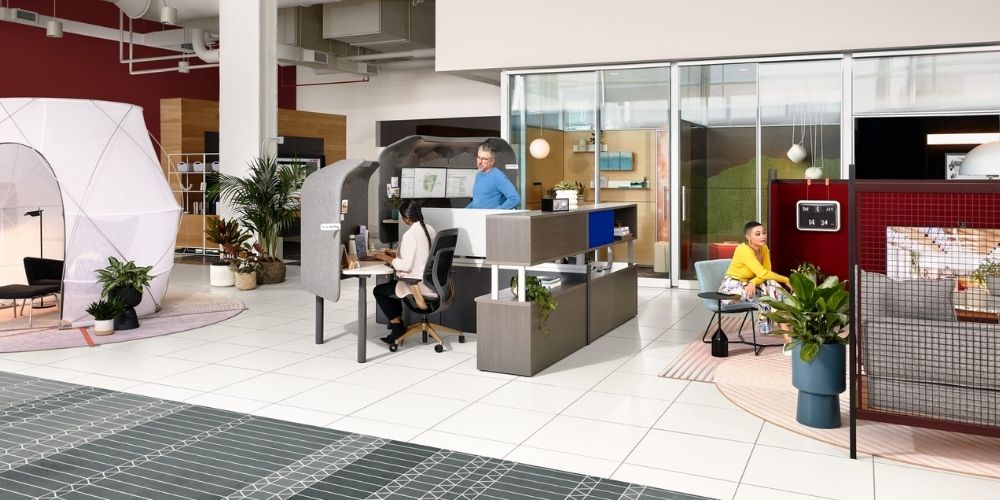
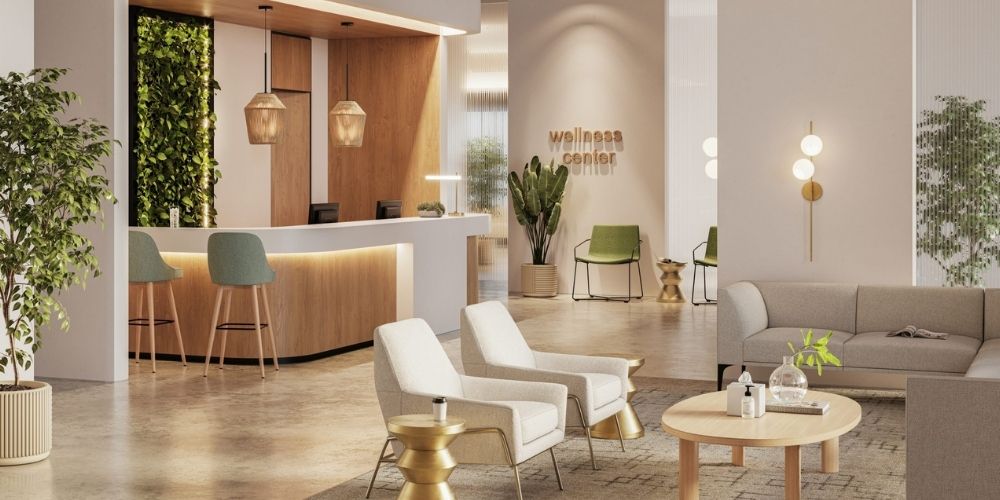
5. Hospitality-Inspired Spaces Aren’t About Style—They’re About Trust
Many organizations are rethinking lobbies, break areas, and shared spaces. There’s a reason for this shift.
Simply put, first impressions matter.
A clean, calm, hospitality-inspired entry space signals:
Professionalism
Stability
Competence
However, this doesn’t require flashy finishes. Instead, it means:
Durable, welcoming furniture
Clear wayfinding
Thoughtful lighting
Materials that age well
Create Spaces helps organizations design entry spaces that feel welcoming without feeling overdesigned.
6. Why a Full Integrator Makes Office Furniture Decisions Easier
One of the most common frustrations we hear is this: “We bought great furniture, but it doesn’t work with the floors, walls, or technology.”
That’s where Create Spaces is different.
We’re not just a furniture dealer. Instead, we’re a full integrator that coordinates:
Because we plan these elements together, your office functions better. Additionally, it looks cohesive, costs less to modify later, and supports long-term growth.
Effective office furniture planning eliminates rework and creates spaces that perform from day one.
7. How to Know You’re Making the Right Furniture Decisions
Before moving forward, ask yourself a few key questions:
Does this furniture support multiple work styles?
Can this space change without major construction?
Will this still work if our team grows or shifts?
Does this integrate with technology rather than fight it?
If the answer is yes, you’re on the right path. If you’re unsure, that’s exactly where we help.
Conclusion: Commercial Office Furniture Should Work for You
Commercial office furniture isn’t about trends. Instead, it’s about supporting people.
At Create Spaces, we help organizations design offices through intentional office furniture planning that:
Supports productivity and well-being
Adapts over time
Integrates furniture, floors, construction, and technology
Feels intentional from day one
If you’re planning a new office, renovation, or reconfiguration, we’re here to help you think through it clearly, practically, and strategically.