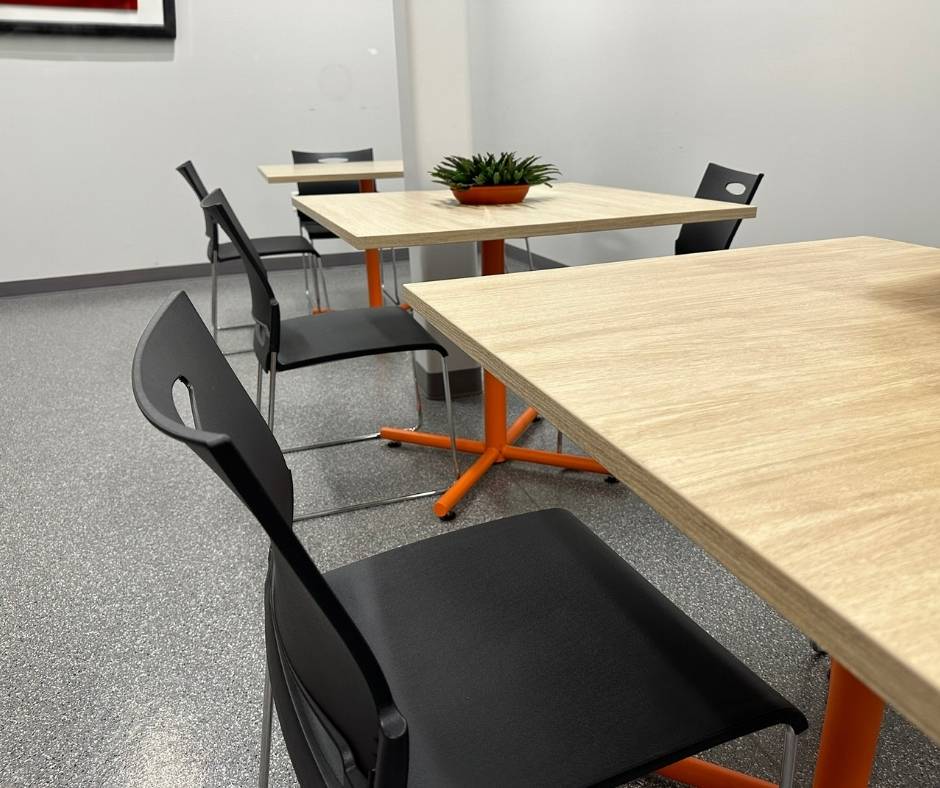
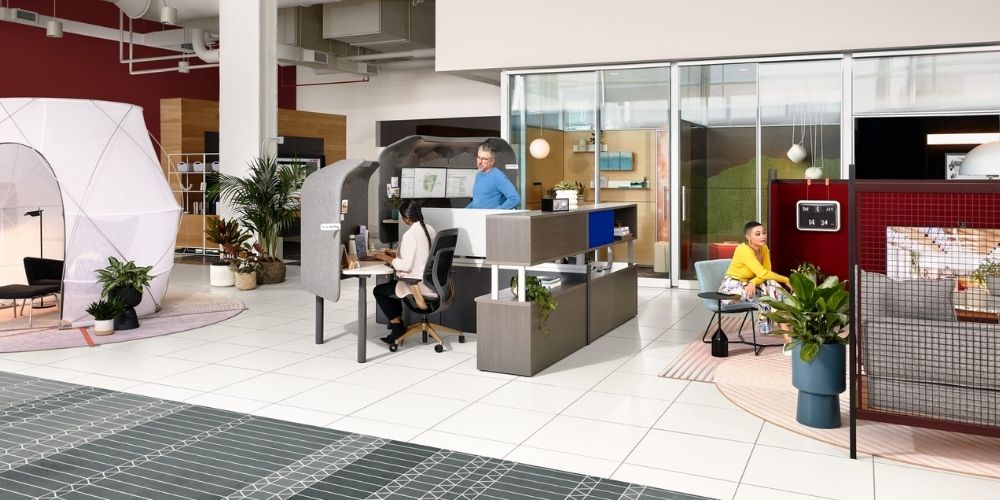
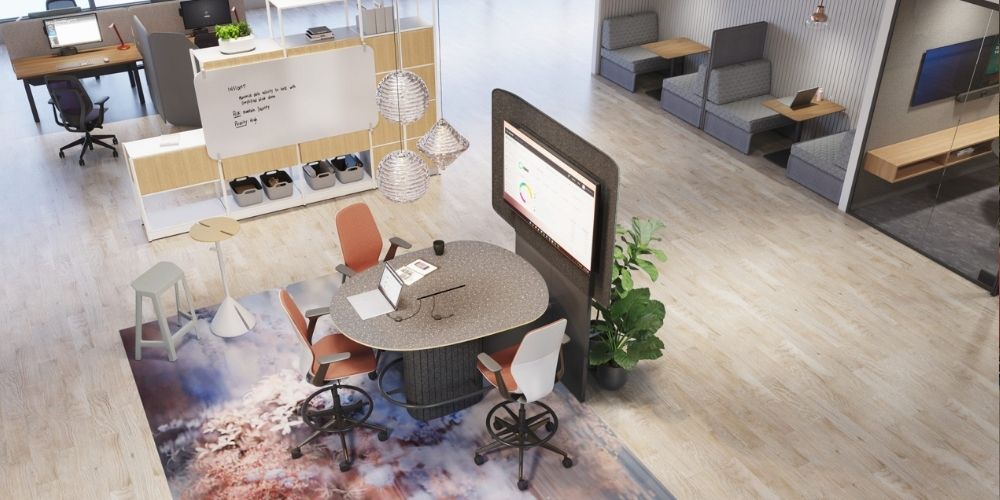
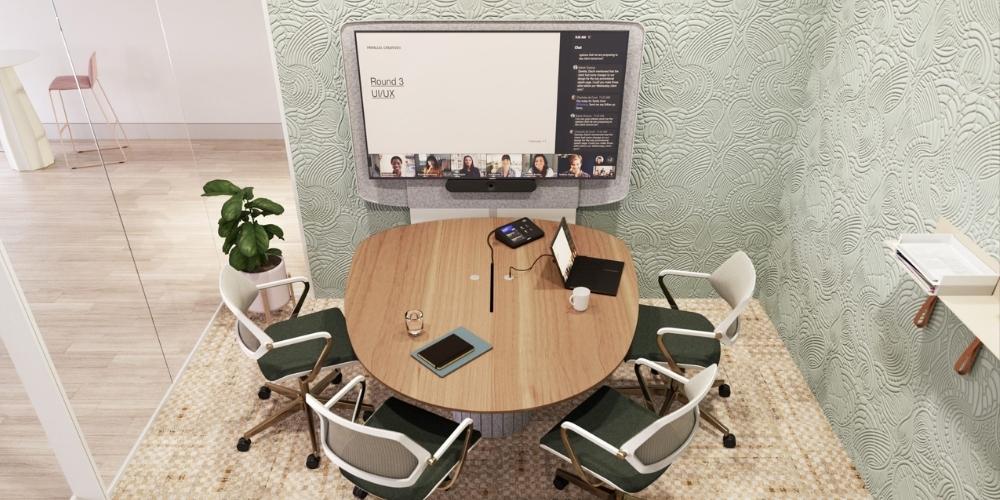
Valley of Fire State Park – Commercial Furniture Solutions for an Engaging Visitor Center
Overview:
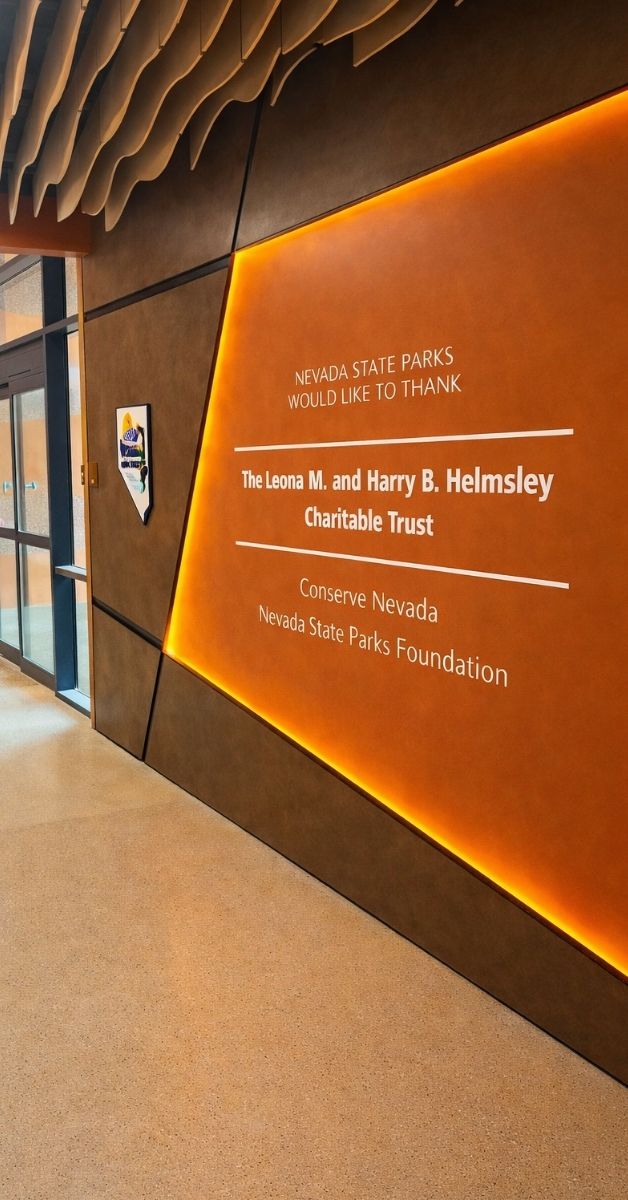
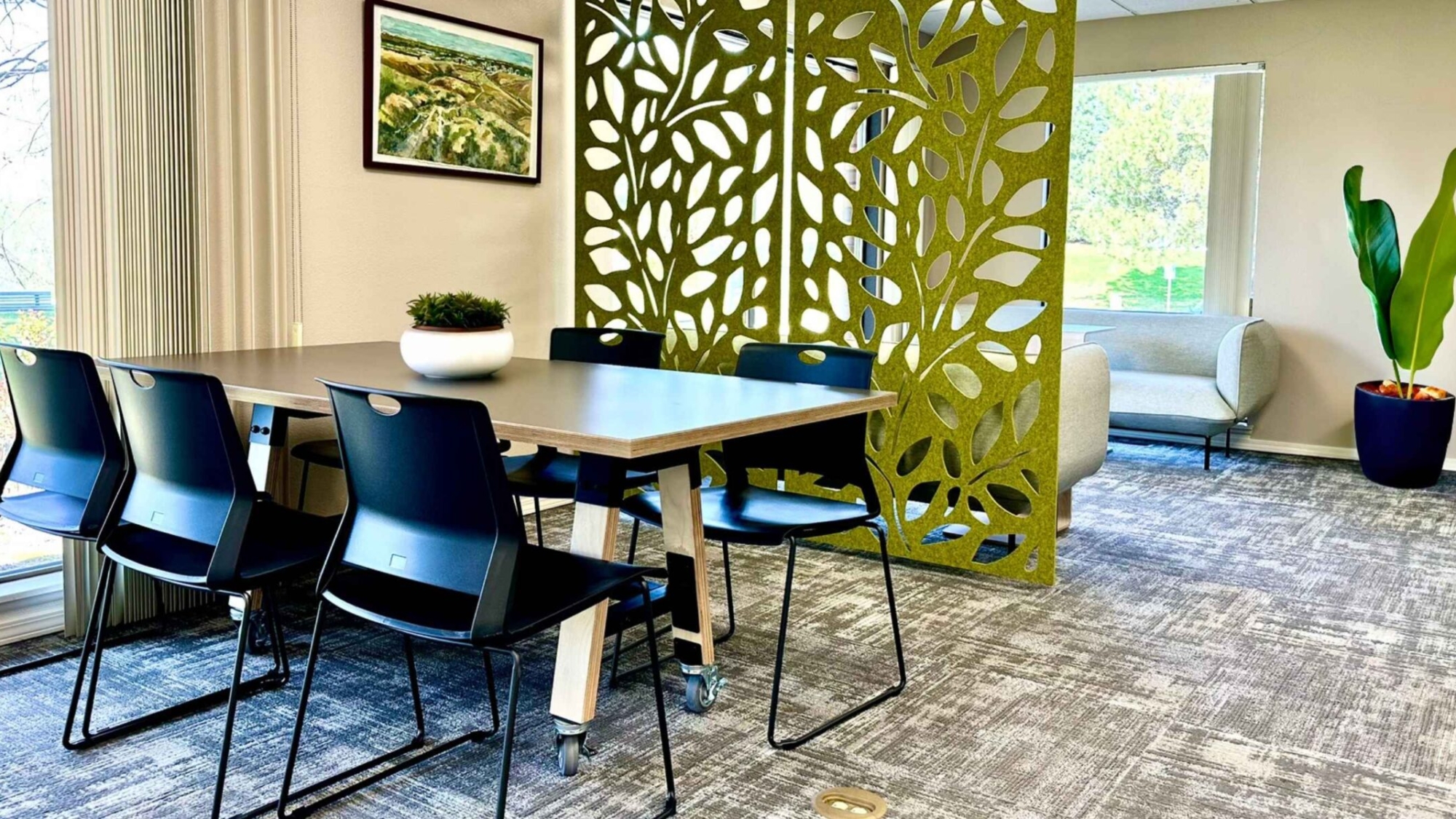
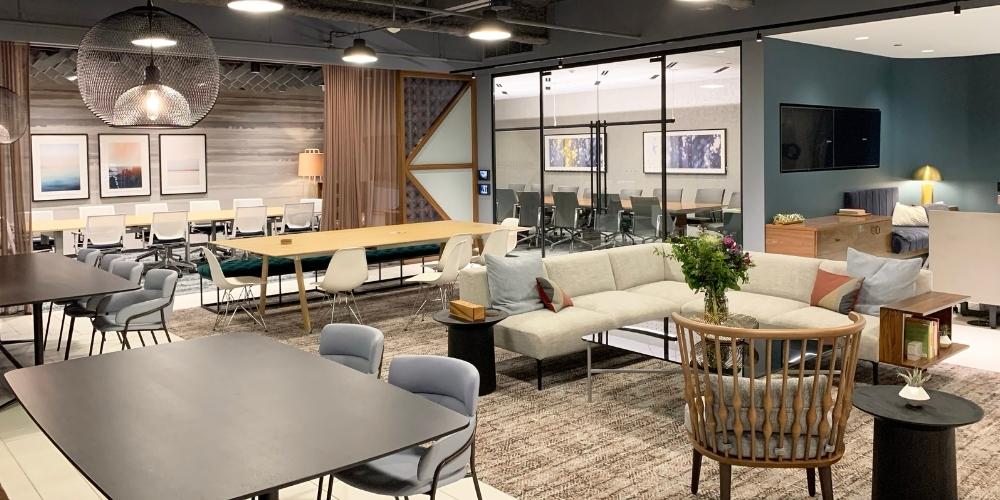
Valley of Fire State Park partnered with Create Spaces to design and furnish their new Visitor Center using thoughtful commercial furniture solutions that support both guest engagement and daily operations. Designed to welcome more than one million visitors each year, the center blends the park’s iconic red rock landscape with functional, people-focused interiors.
Through furniture-led planning and integrated technology, Create Spaces delivered a space that enhances the visitor experience while improving comfort, productivity, and collaboration for staff.
Project Goals:
Create a welcoming, bright layout: Design an open, collaborative environment that promotes productivity, comfort, and positive interactions among staff and guests.
Reflect the park’s brand and values: Use finishes and design elements that honor the natural beauty and cultural significance of the Valley of Fire landscape.
Integrate high-quality AV experiences: Support evolving communication needs with audiovisual technology that enhances training, presentations, and educational screenings.
Solutions and Highlights:
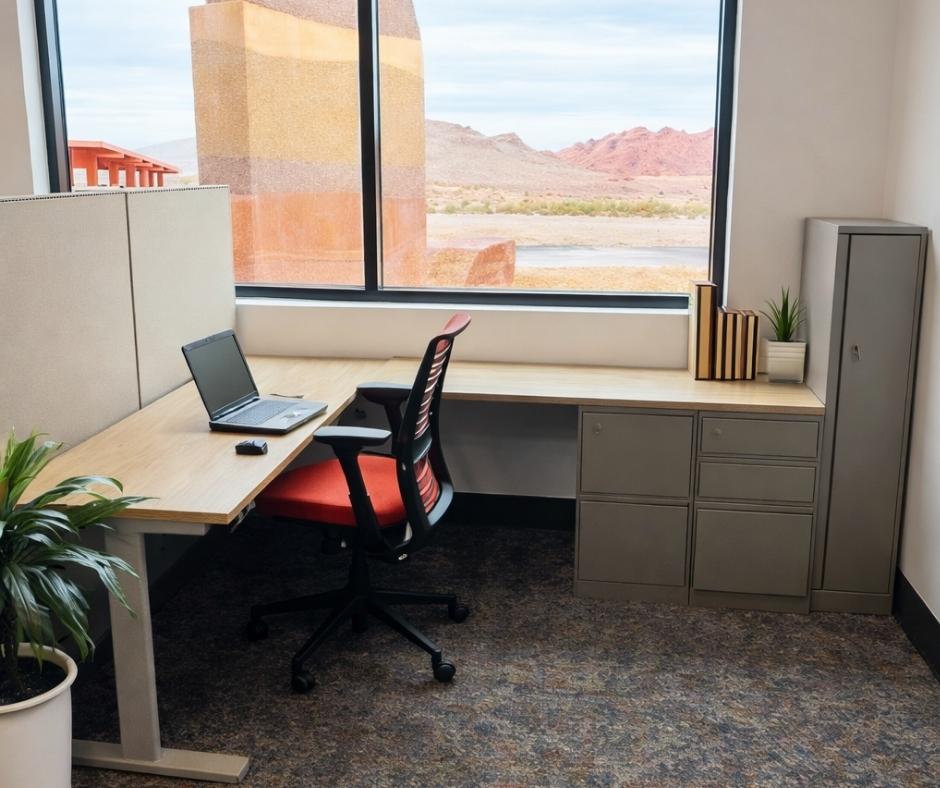
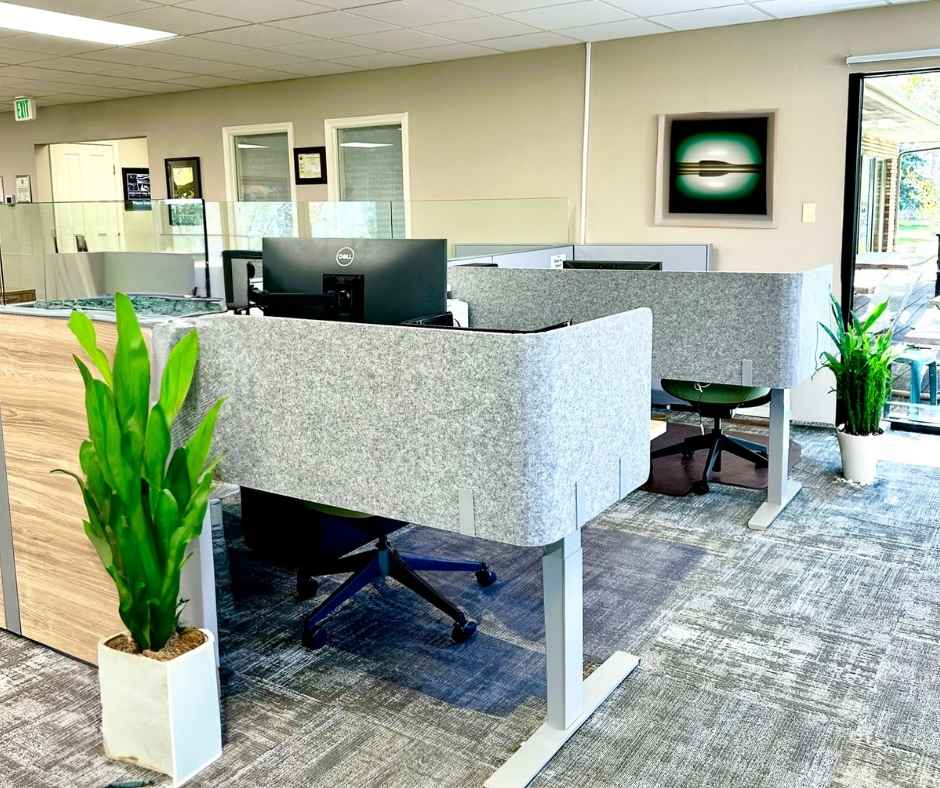
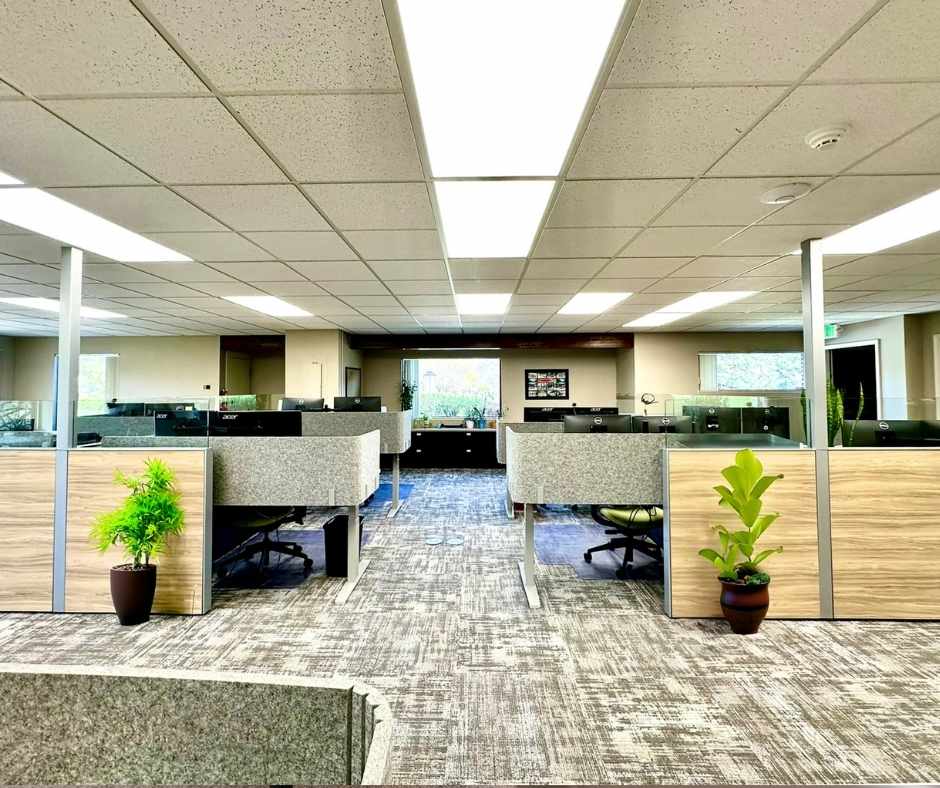
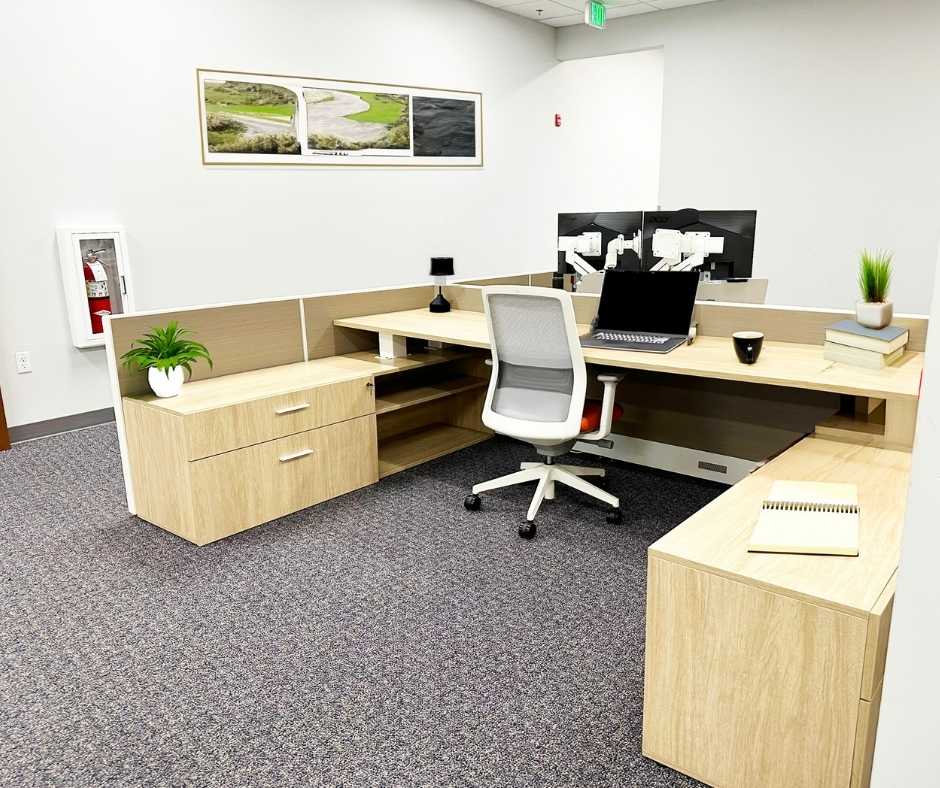
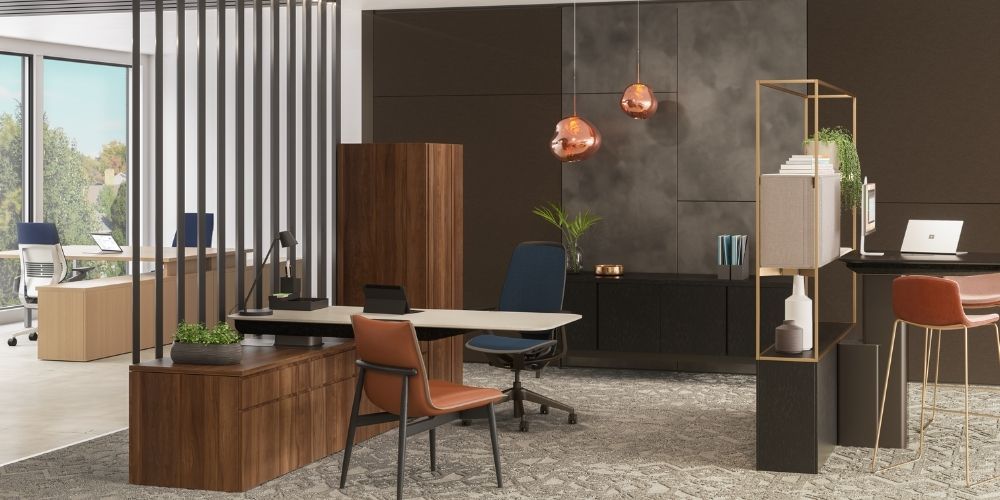
Collaborative, Ergonomic Workstations Create Spaces designed open, height-adjustable workstations that support employee well-being. These functional areas encourage collaboration while providing comfort and flexibility for daily tasks.
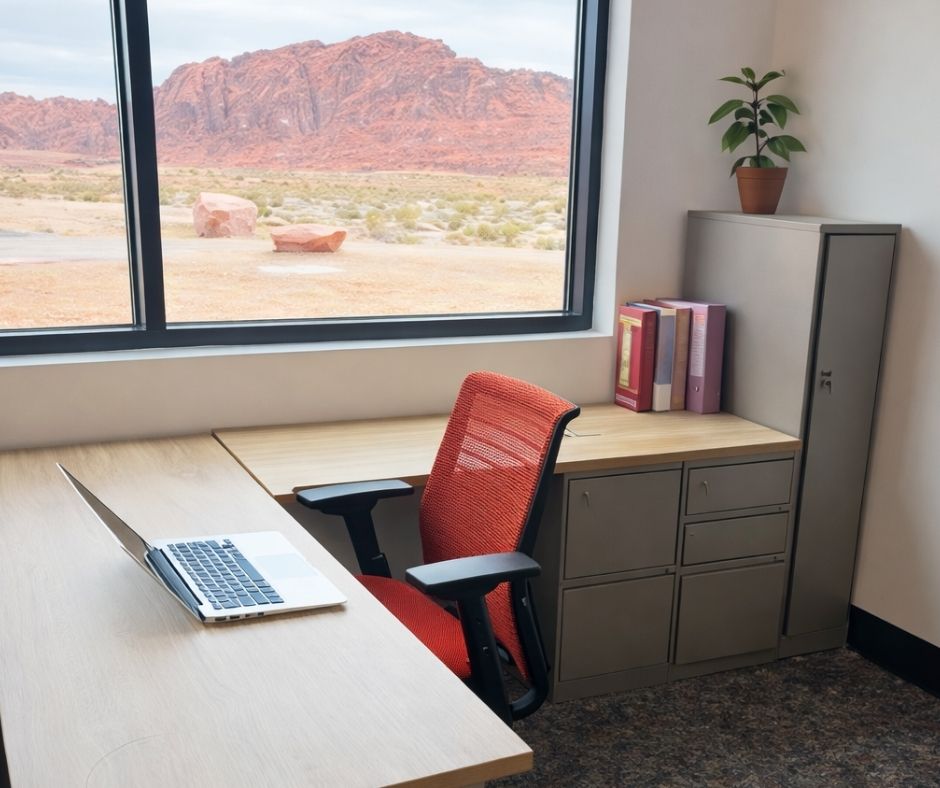
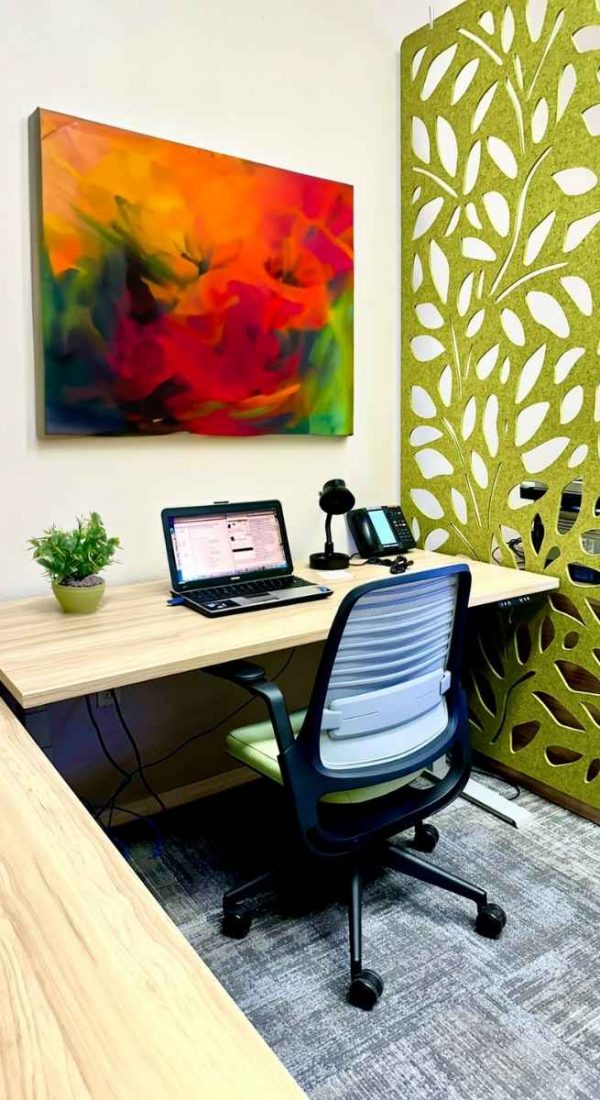
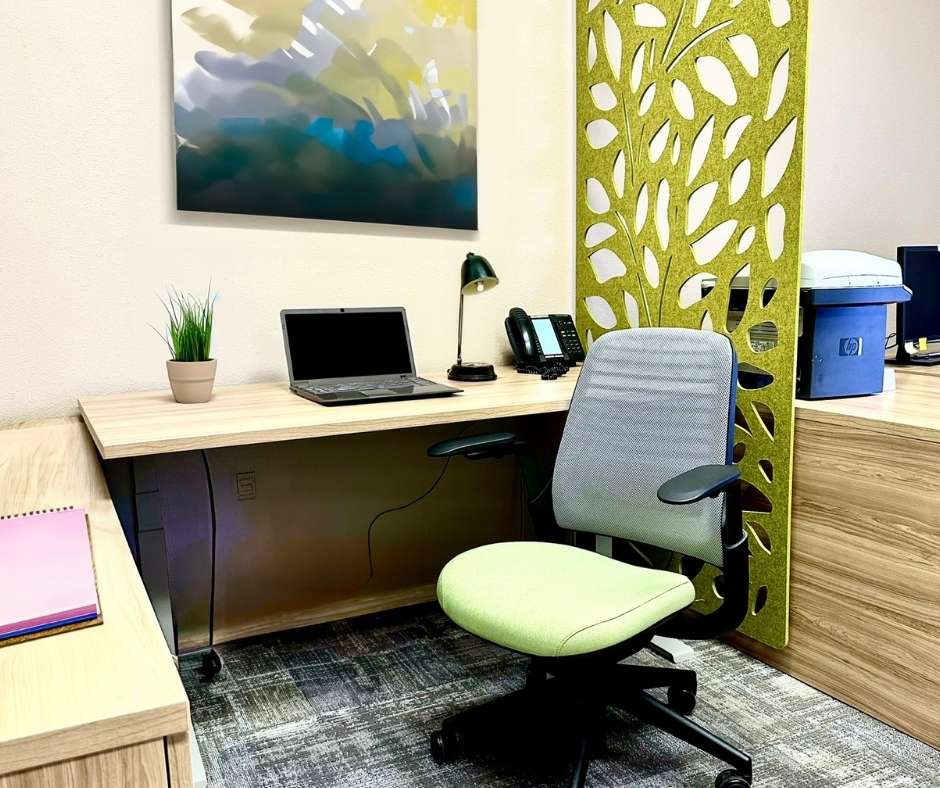
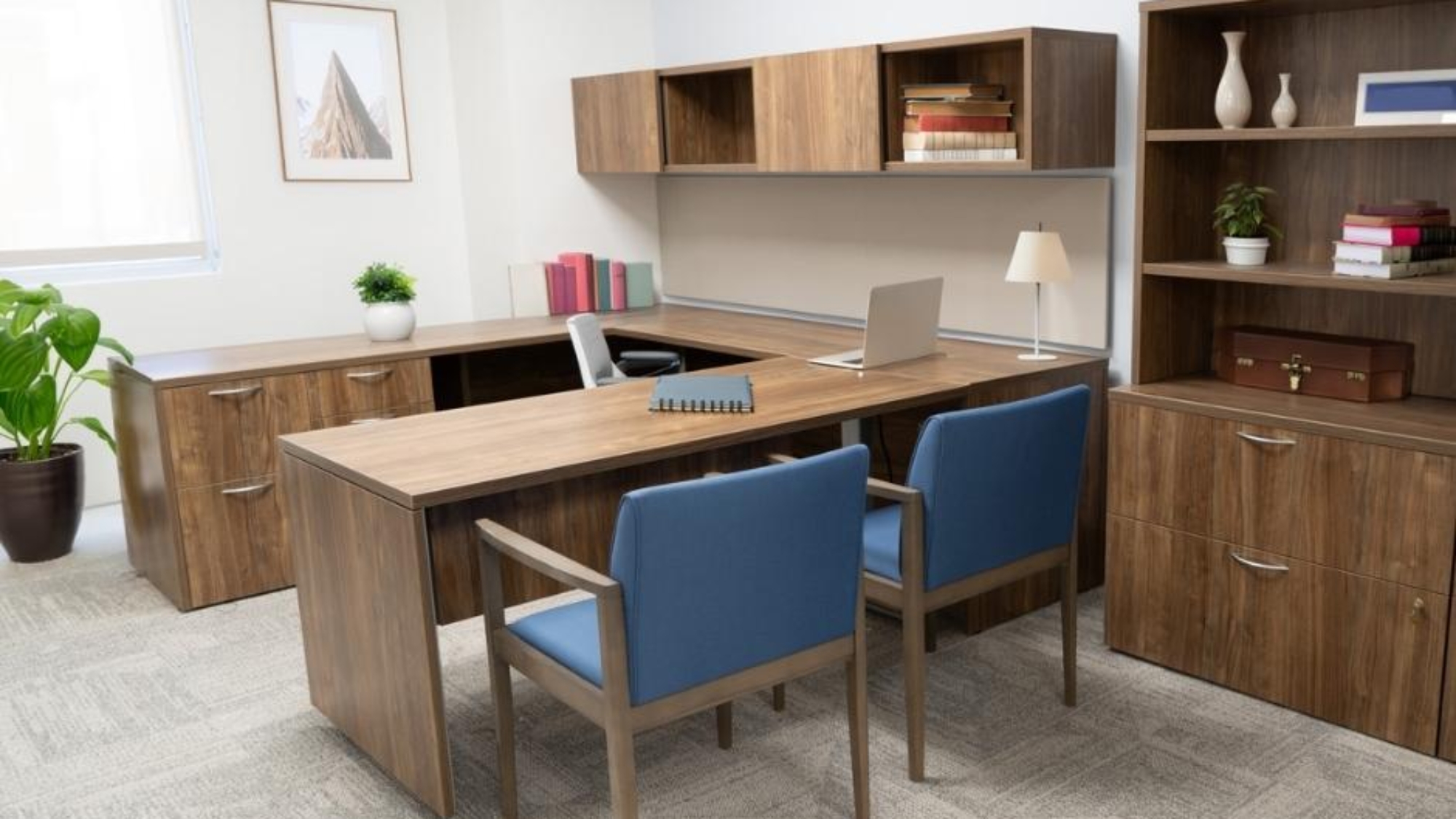
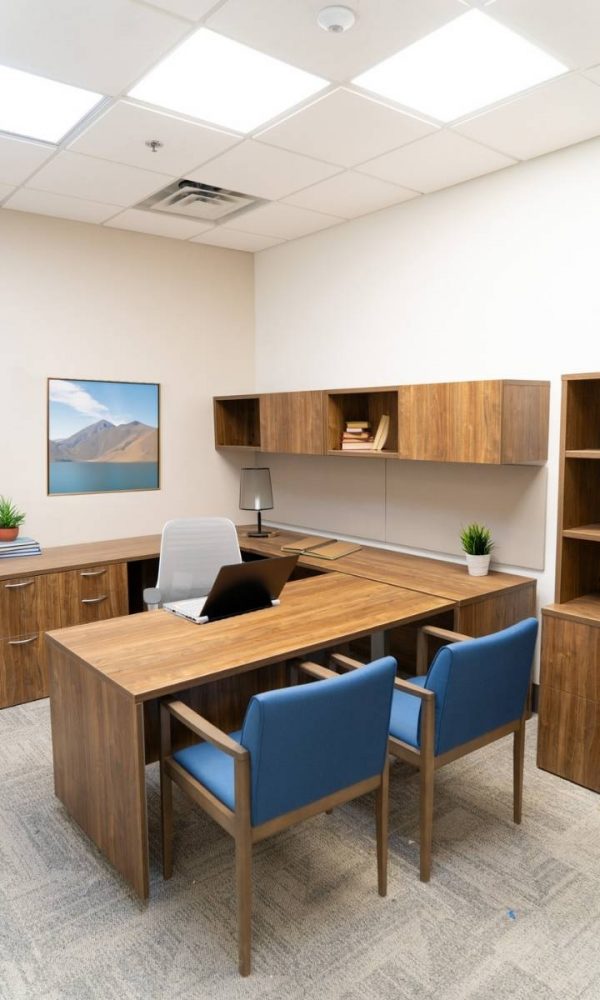
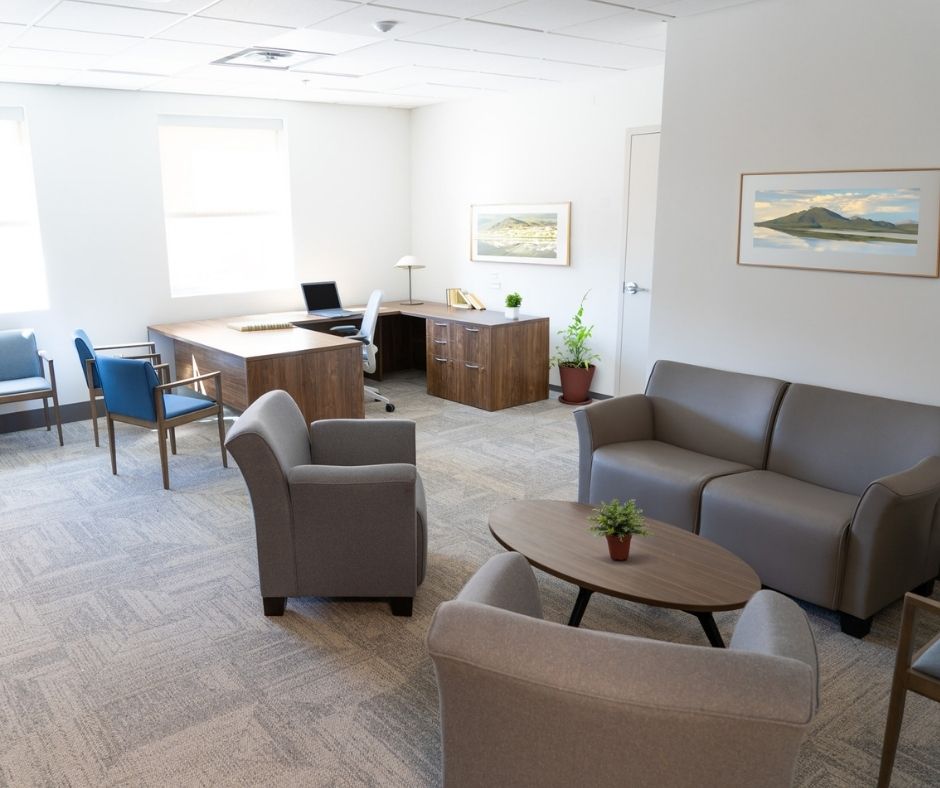
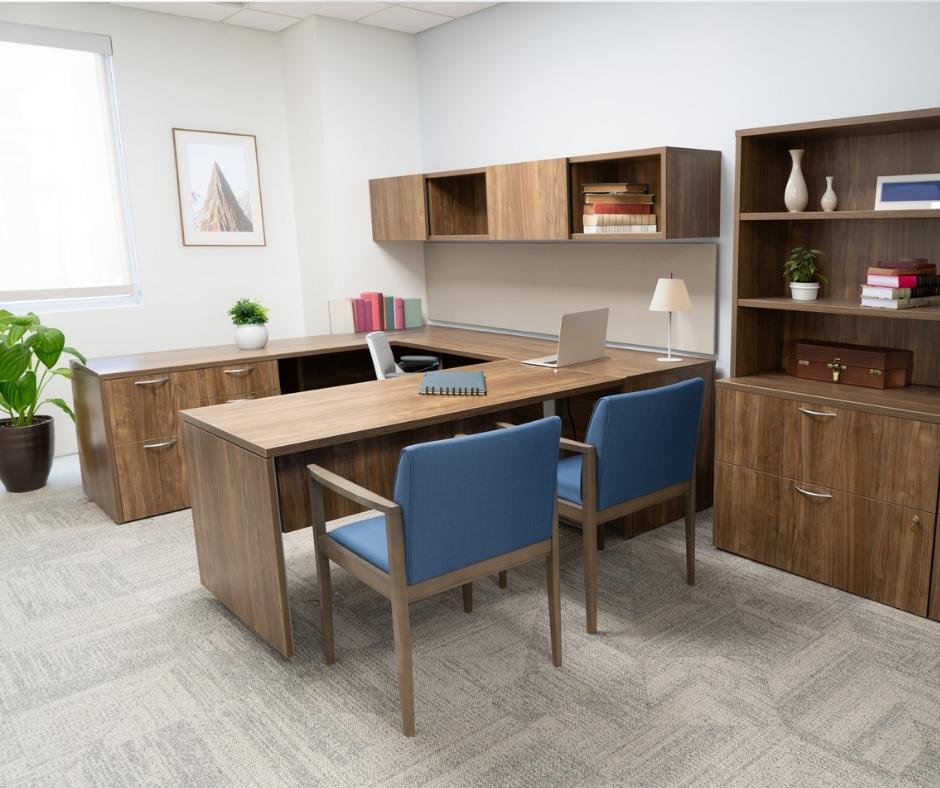
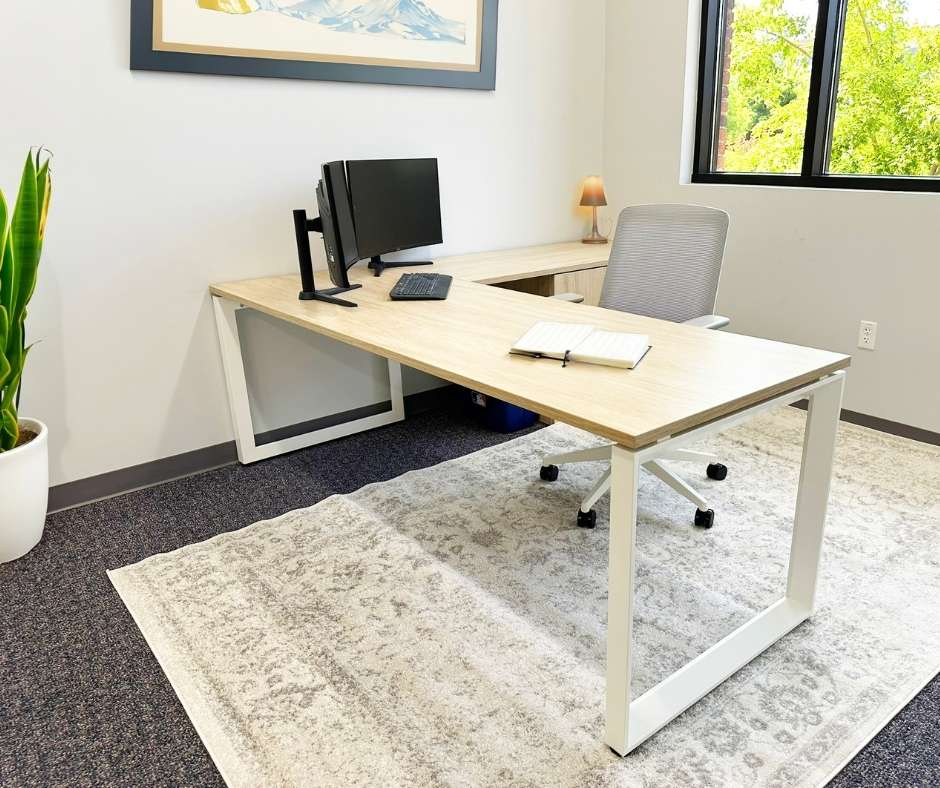
Private Offices with Purpose Private offices were furnished with ergonomic seating and thoughtful storage to balance privacy, comfort, and productivity — allowing staff to focus in spaces tailored to their workflow needs.
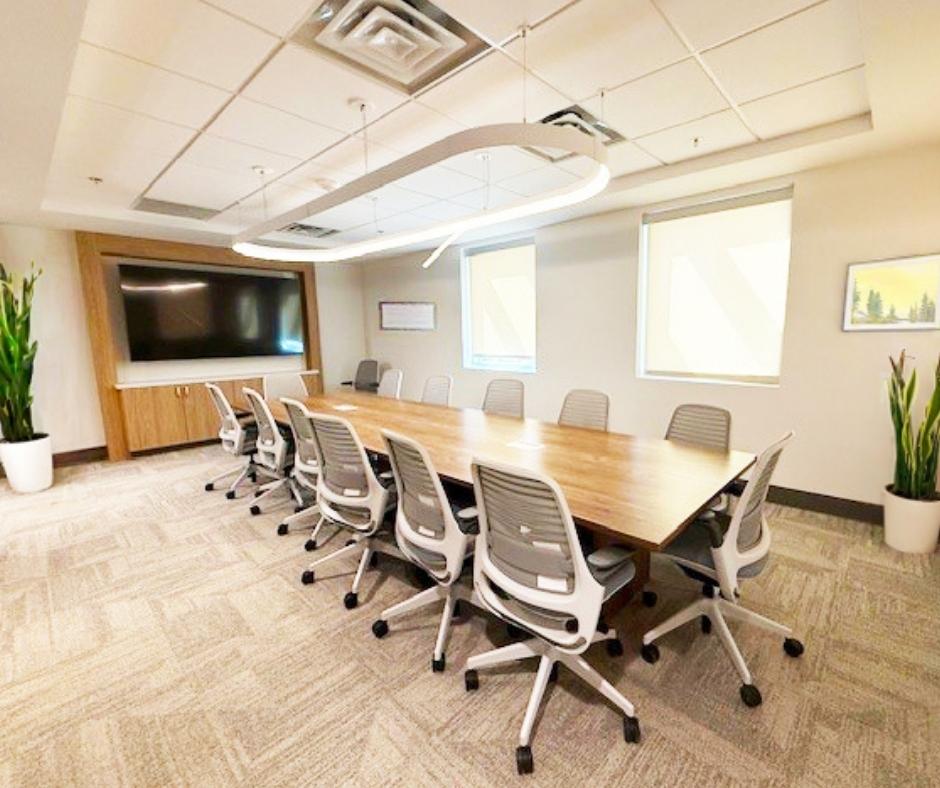
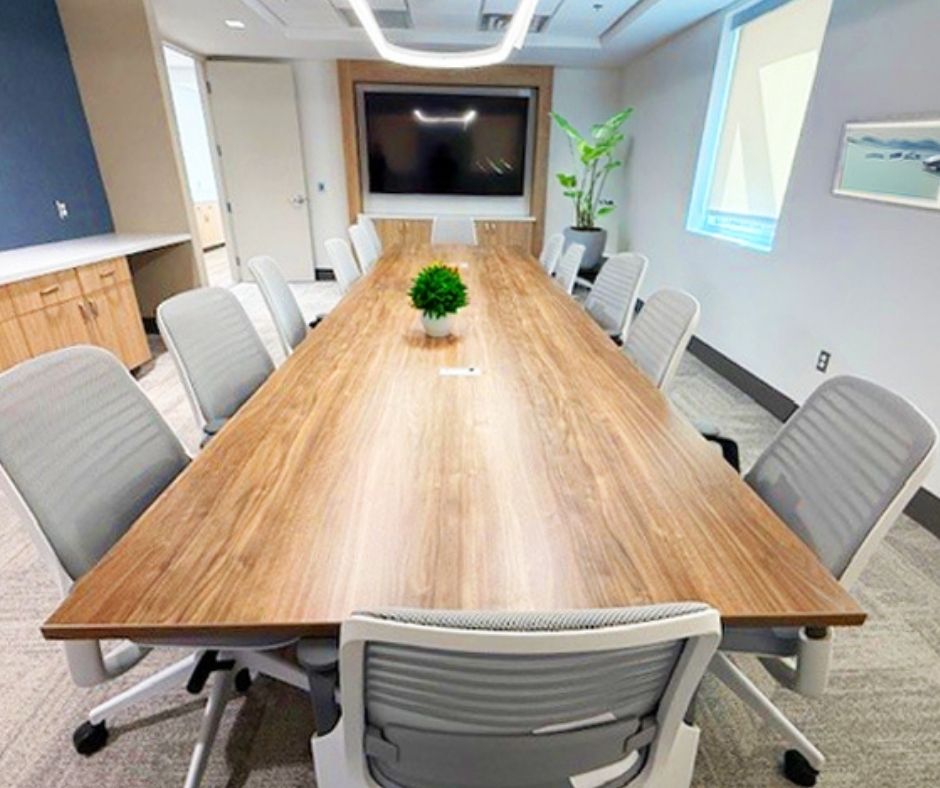
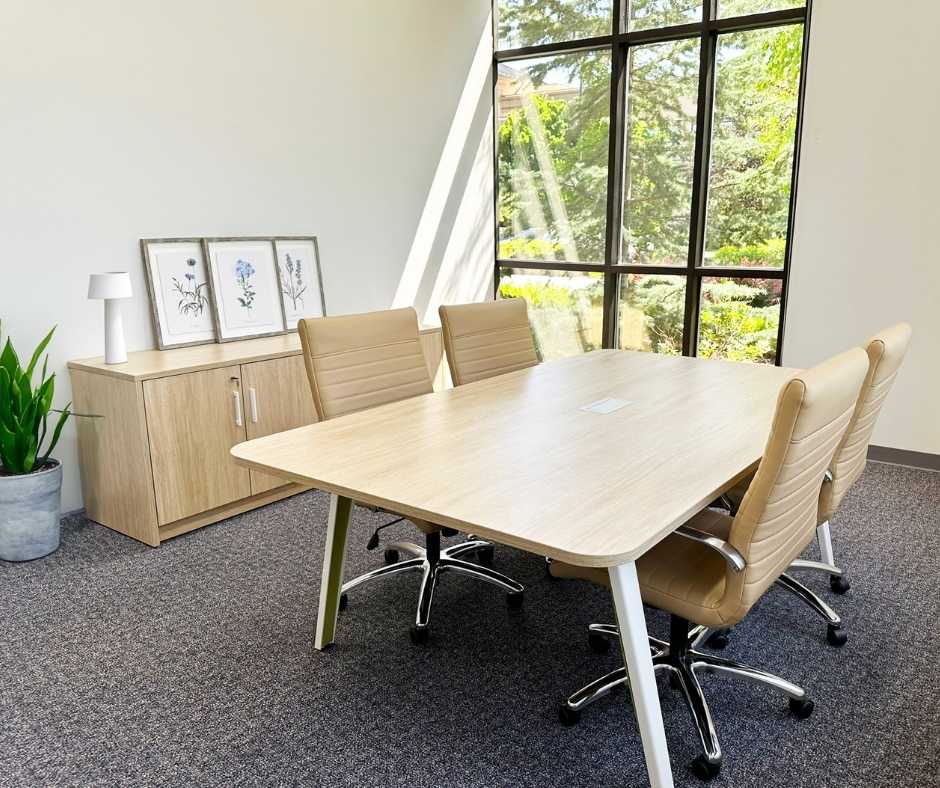
Conference Room with Seamless Presentations A custom rock-top conference table anchors the center’s meeting space. Designed for both in-person and virtual communication, this table supports dynamic group discussions, presentations, and community engagement.
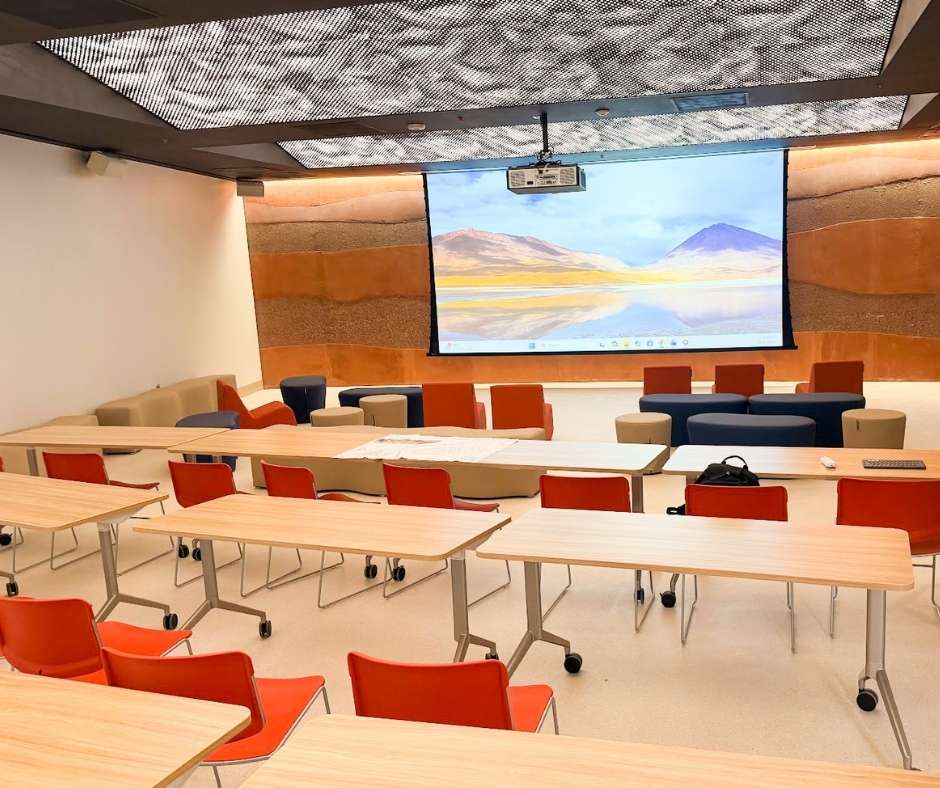
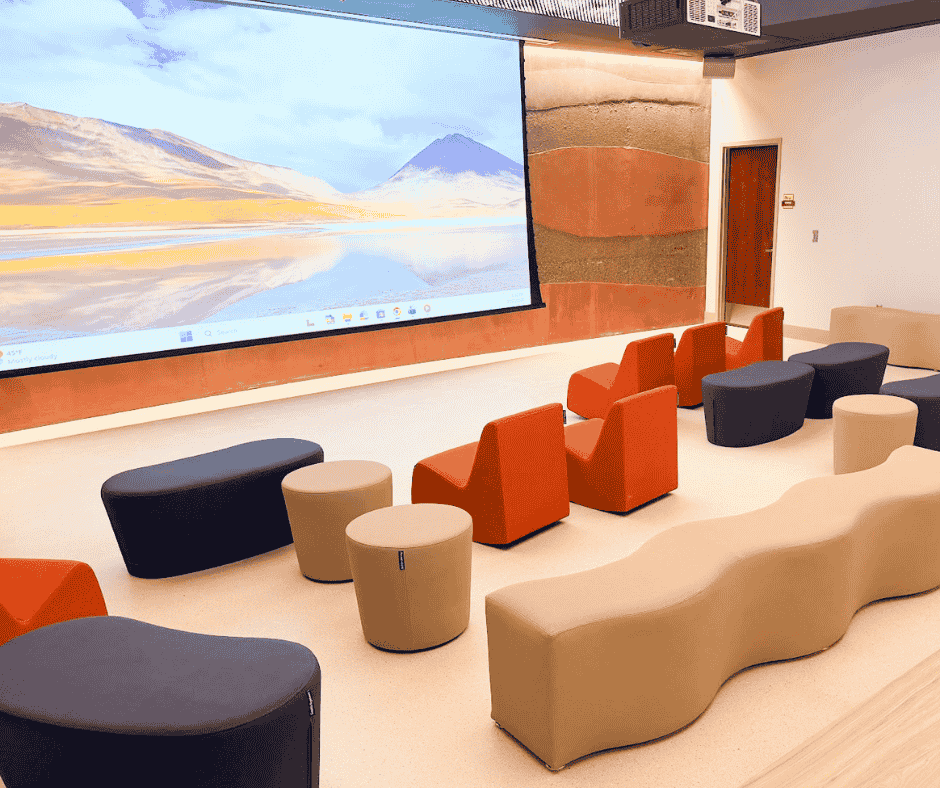
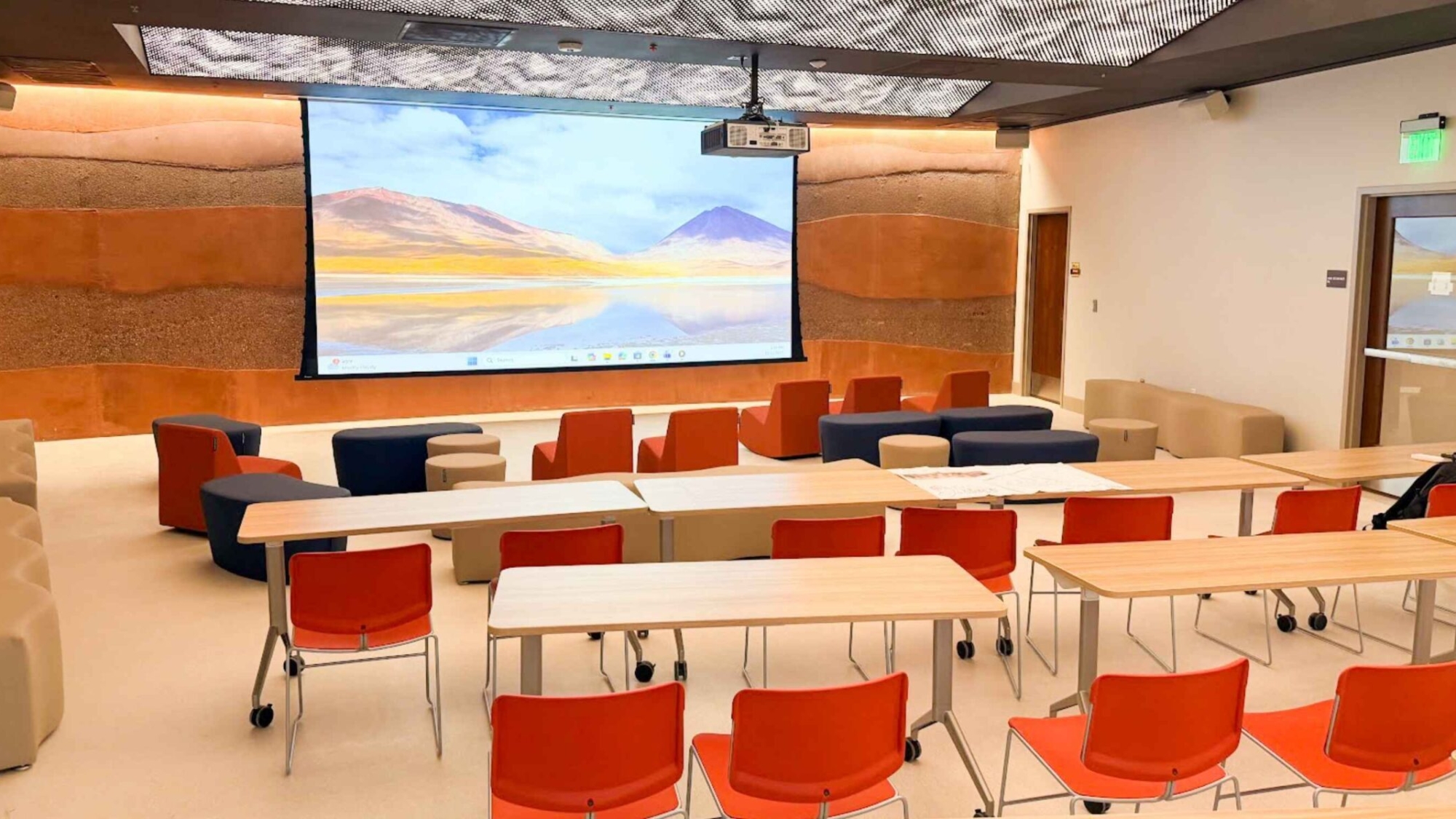
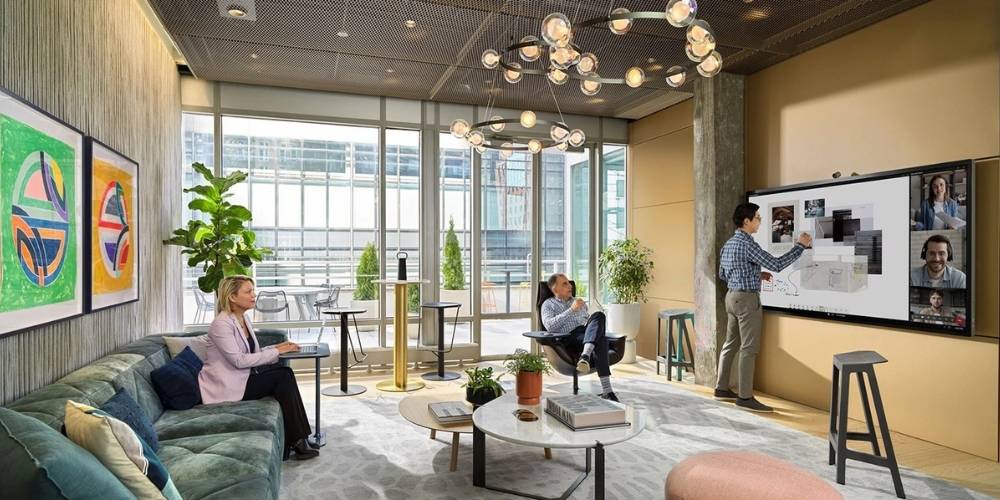
Immersive Theater with Integrated Technology To elevate educational programming, we delivered a theater room with a state-of-the-art AV solution that features:
A 226″ large-format projection screen for cinematic viewing
A 16,500-lumen 4K laser projector for bright, crisp visuals
An integrated audio system engineered for clear, balanced sound
This theater creates an immersive setting for visitors to learn about the Valley of Fire ecosystem while staff lead presentations, trainings, and community events.
AV Integration That Supports Furniture-First Design
While the centerpiece of this project is strong commercial furniture solutions, AV technology plays a key supportive role. By pairing thoughtful furniture layouts with professional-grade audiovisual systems, the Visitor Center becomes a space where learning and leisure coexist seamlessly — giving guests a rich, memorable experience without distracting from the functionality of the furnishings.
Results:
The new Visitor Center now offers a beautiful, functional environment that supports both everyday park operations and guest engagement. Furniture selections promote comfort and collaboration, while the AV-enhanced theater adds an educational dimension to every visit.
With these comprehensive commercial furniture solutions, Valley of Fire State Park now has a Visitor Center that reflects its natural heritage and enhances the experience for millions of visitors each year — all while providing staff with tools and spaces that support their mission.
Height Adjustable Workstations
Ergonomic Furniture
Open Office Area with Extra Storage
16,500-Lumen 4K Laser Projector
226″ Large-Format Projection
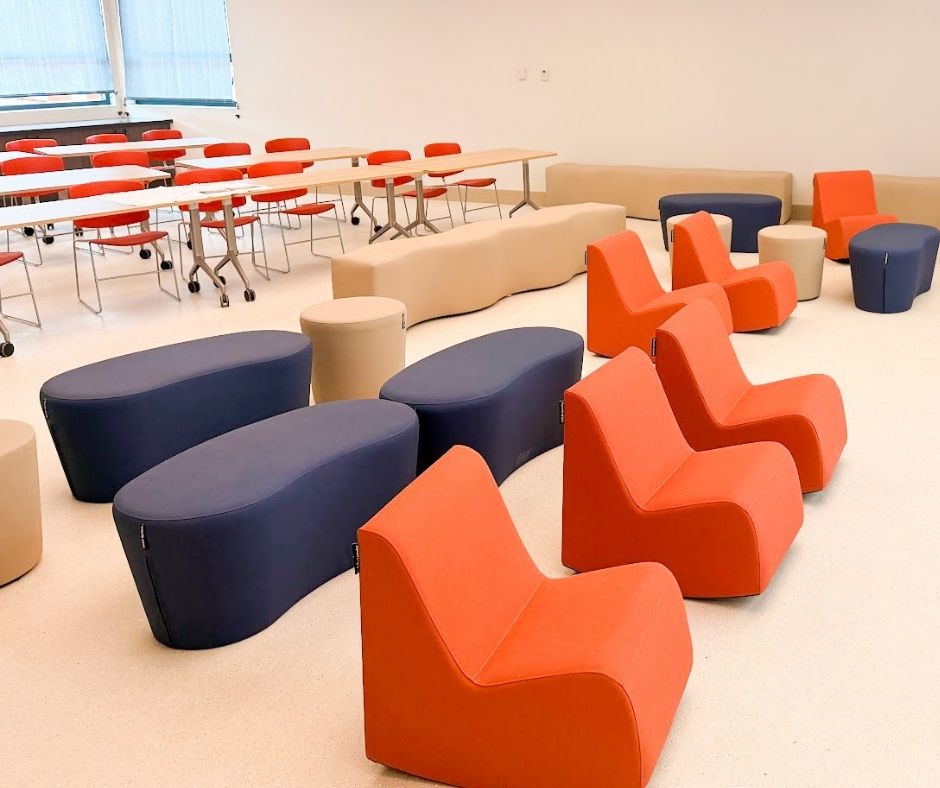
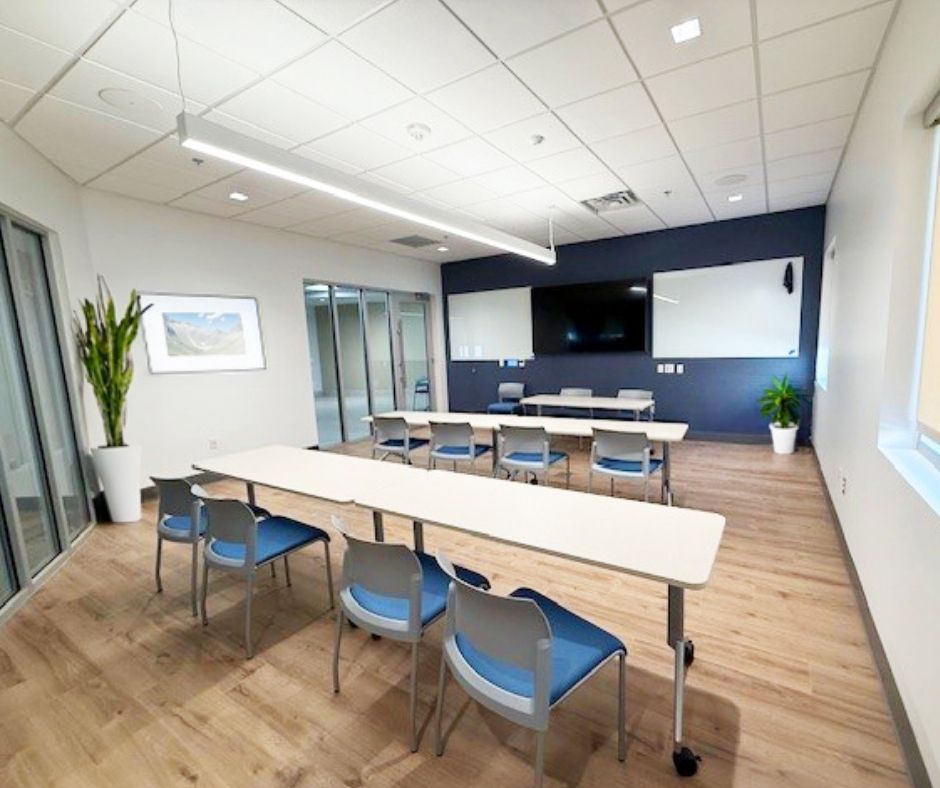
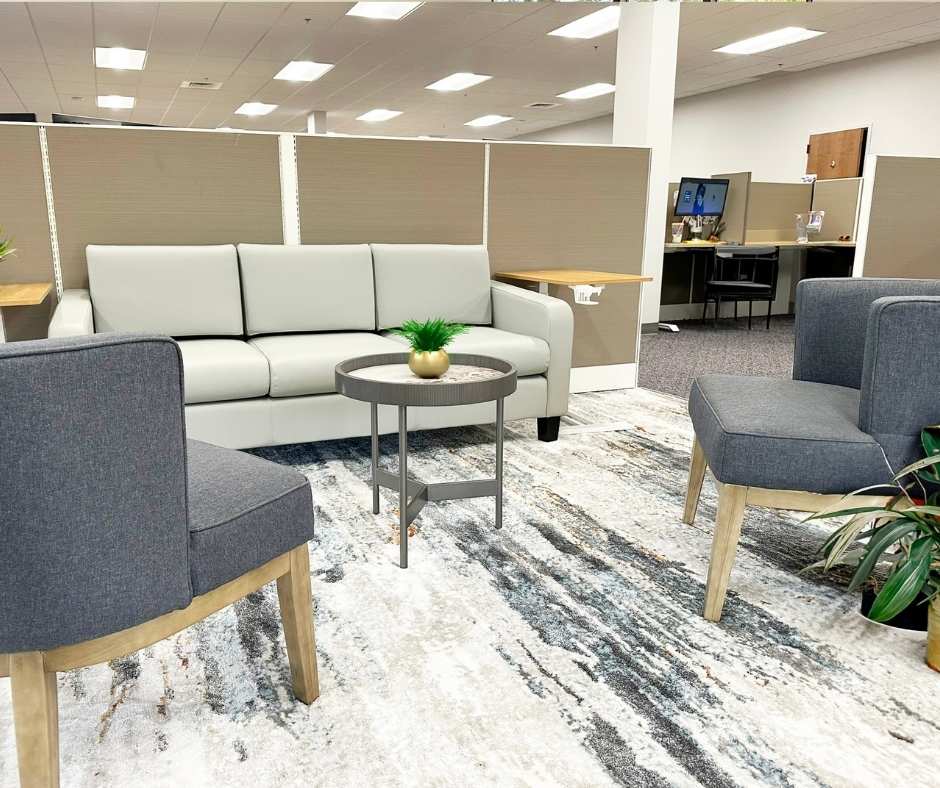
Flexible Furniture for Theater Room
Need Visitor Center or Public Facility Furniture Solutions?
Create Spaces specializes in commercial furniture solutions for government, education, healthcare, corporate, and public facilities across Boise, Reno, Las Vegas, and beyond. Whether you’re outfitting a visitor center, a headquarters, a clinic, or an office, we deliver modular, ergonomic, and brand-aligned furnishings that meet your operational needs and support your long-term goals.
If you’re searching for commercial office furniture, you’re probably not looking for trends. Instead, you’re asking practical questions about office furniture planning that impact real work.
For example, you may be wondering:
How do we design an office people actually want to come into?
What furniture supports focus and collaboration without constant rework?
How do we plan for technology, acoustics, and flexibility without overbuilding?
Can one partner really handle furniture, floors, walls, and technology together?
If those questions sound familiar, this article is for you.
At Create Spaces, we work with medium to large organizations every day. As a result, we help teams plan offices that function better, feel better, and last longer. Below, we’ll walk through what matters most when choosing commercial office furniture today—and how thoughtful office furniture planning helps you get it right the first time.
1. What People Really Want From Commercial Office Furniture
Employees don’t ask for design trends. Instead, they ask for spaces that work.
In most cases, that means:
Comfortable seating that reduces fatigue
Places to focus without constant noise distractions
Conference rooms that support hybrid meetings
Shared spaces that feel intentional, not leftover
Because of this, commercial office furniture should support how people work every day. It should not force teams into one rigid setup.
That’s why successful offices now include:
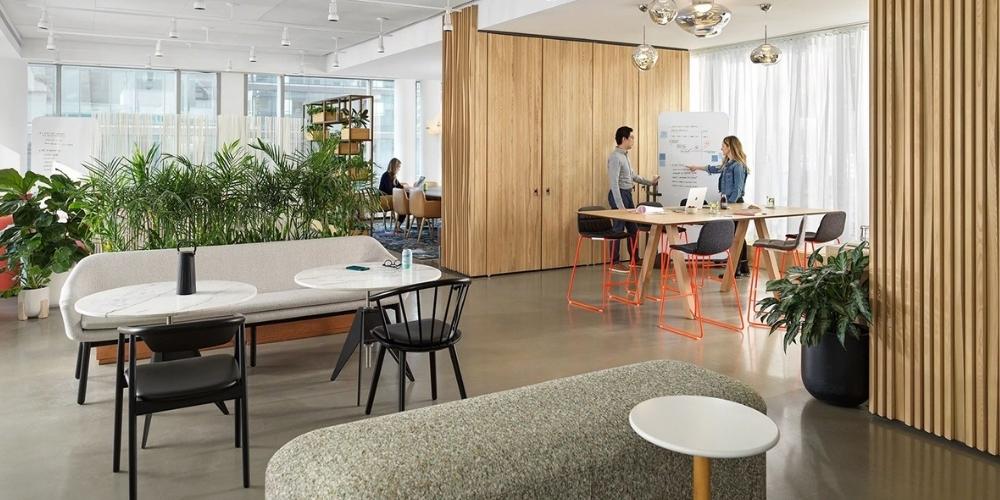
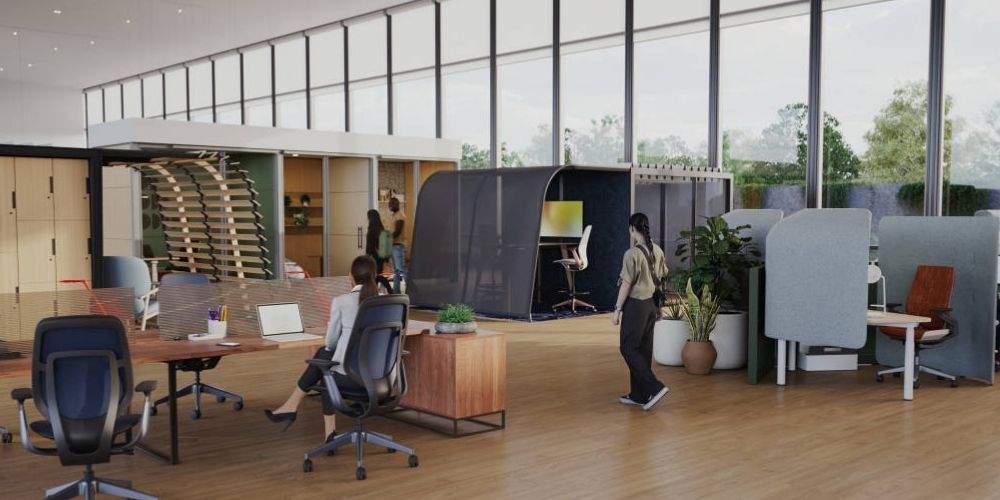
A mix of focused work areas and collaborative zones
Furniture that adapts as teams change
Materials that feel calm, durable, and easy to maintain
2. Flexibility Matters More Than Square Footage
One of the biggest questions businesses ask is simple: How do we future-proof our office without rebuilding every few years?
The answer isn’t more furniture. Instead, the answer is smarter furniture planning.
Rather than rows of identical desks, high-performing offices rely on:
Modular workstations that shift as teams evolve
Shared desks paired with lockers or mobile storage
Conference tables that support multiple meeting styles
Furniture that integrates power, data, and technology
As a result, teams gain choice while the office remains adaptable over time.
3. Conference Rooms Need to Do More Than One Job
Conference rooms are no longer just for in-person meetings. Today, they must support a wider range of work.
For instance, modern conference rooms often need to handle:
Hybrid collaboration
Video calls and presentations
Workshops and small group sessions
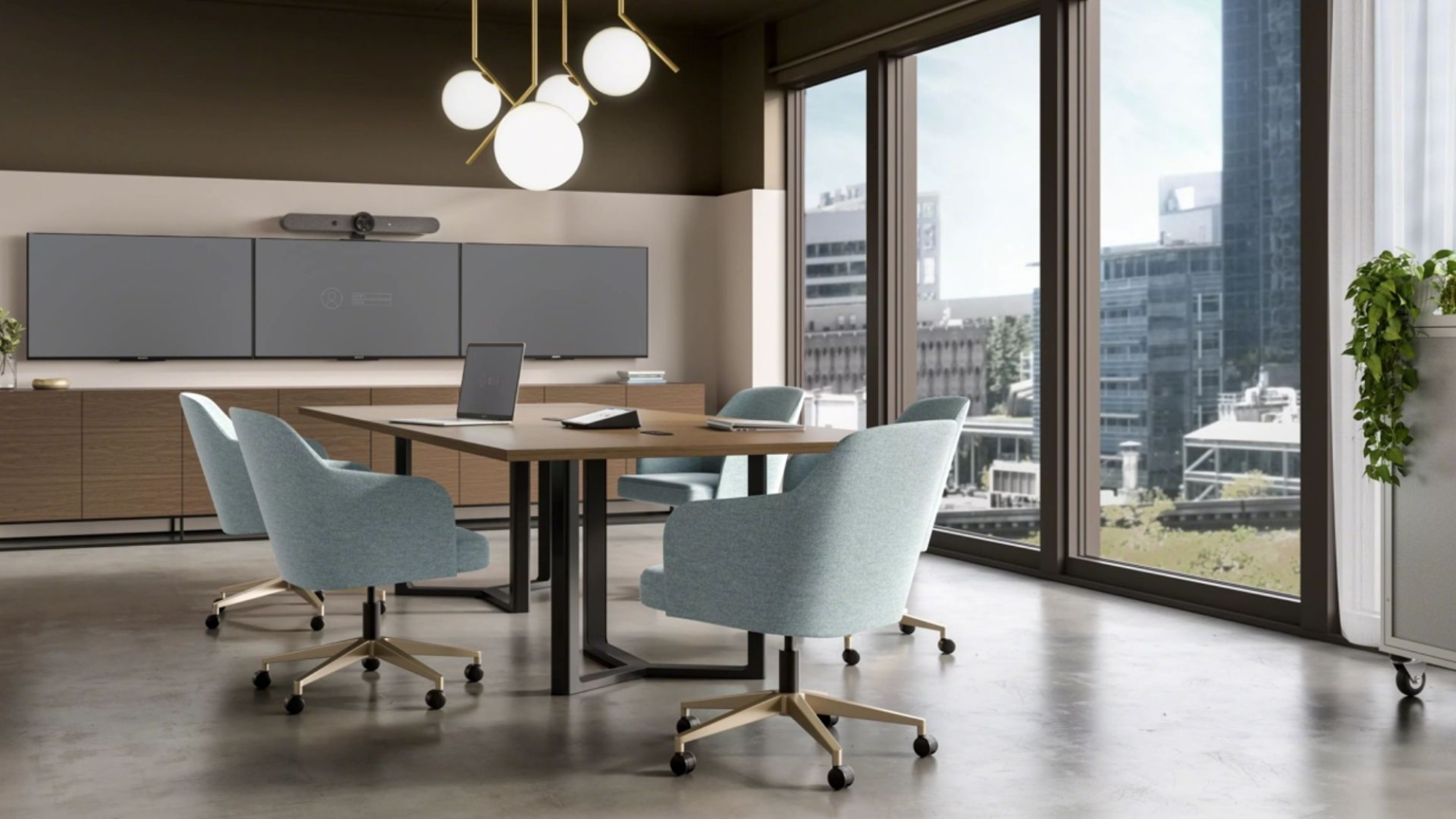
A well-planned conference table anchors the room. It supports technology, improves sightlines, and sets the tone for collaboration. When paired with proper lighting, acoustics, and AV integration, conference spaces become assets rather than bottlenecks.
Because of this, Create Spaces designs conference rooms as complete systems—not just furniture drop-ins.
4. Comfort, Acoustics, and Well-Being Are Non-Negotiable
People are far more aware of how their environment affects how they feel. Because of that, comfort and acoustics now matter more than ever.
That’s why commercial office furniture decisions often include:
This approach isn’t about luxury. Instead, it’s about reducing friction during the workday.
When people are comfortable, they focus better. Meanwhile, when noise is managed, productivity improves. Ultimately, when spaces feel intentional, employees stay longer.
5. Hospitality-Inspired Spaces Aren’t About Style—They’re About Trust
Many organizations are rethinking lobbies, break areas, and shared spaces. There’s a reason for this shift.
Simply put, first impressions matter.
A clean, calm, hospitality-inspired entry space signals:
Professionalism
Stability
Competence
However, this doesn’t require flashy finishes. Instead, it means:
Durable, welcoming furniture
Clear wayfinding
Thoughtful lighting
Materials that age well
Create Spaces helps organizations design entry spaces that feel welcoming without feeling overdesigned.
6. Why a Full Integrator Makes Office Furniture Decisions Easier
One of the most common frustrations we hear is this: “We bought great furniture, but it doesn’t work with the floors, walls, or technology.”
That’s where Create Spaces is different.
We’re not just a furniture dealer. Instead, we’re a full integrator that coordinates:
Because we plan these elements together, your office functions better. Additionally, it looks cohesive, costs less to modify later, and supports long-term growth.
Effective office furniture planning eliminates rework and creates spaces that perform from day one.
7. How to Know You’re Making the Right Furniture Decisions
Before moving forward, ask yourself a few key questions:
Does this furniture support multiple work styles?
Can this space change without major construction?
Will this still work if our team grows or shifts?
Does this integrate with technology rather than fight it?
If the answer is yes, you’re on the right path. If you’re unsure, that’s exactly where we help.
Conclusion: Commercial Office Furniture Should Work for You
Commercial office furniture isn’t about trends. Instead, it’s about supporting people.
At Create Spaces, we help organizations design offices through intentional office furniture planning that:
Supports productivity and well-being
Adapts over time
Integrates furniture, floors, construction, and technology
Feels intentional from day one
If you’re planning a new office, renovation, or reconfiguration, we’re here to help you think through it clearly, practically, and strategically.
Why Commercial Office Furniture Matters More Than Ever
The workplace is changing faster than ever. Hybrid schedules, evolving technology, and shifting employee expectations are reshaping what commercial office furniture needs look like — not someday, but right now. If your business is located in Boise, Reno, or Las Vegas, the furniture decisions you make today must still support your teams in 2027 and beyond.
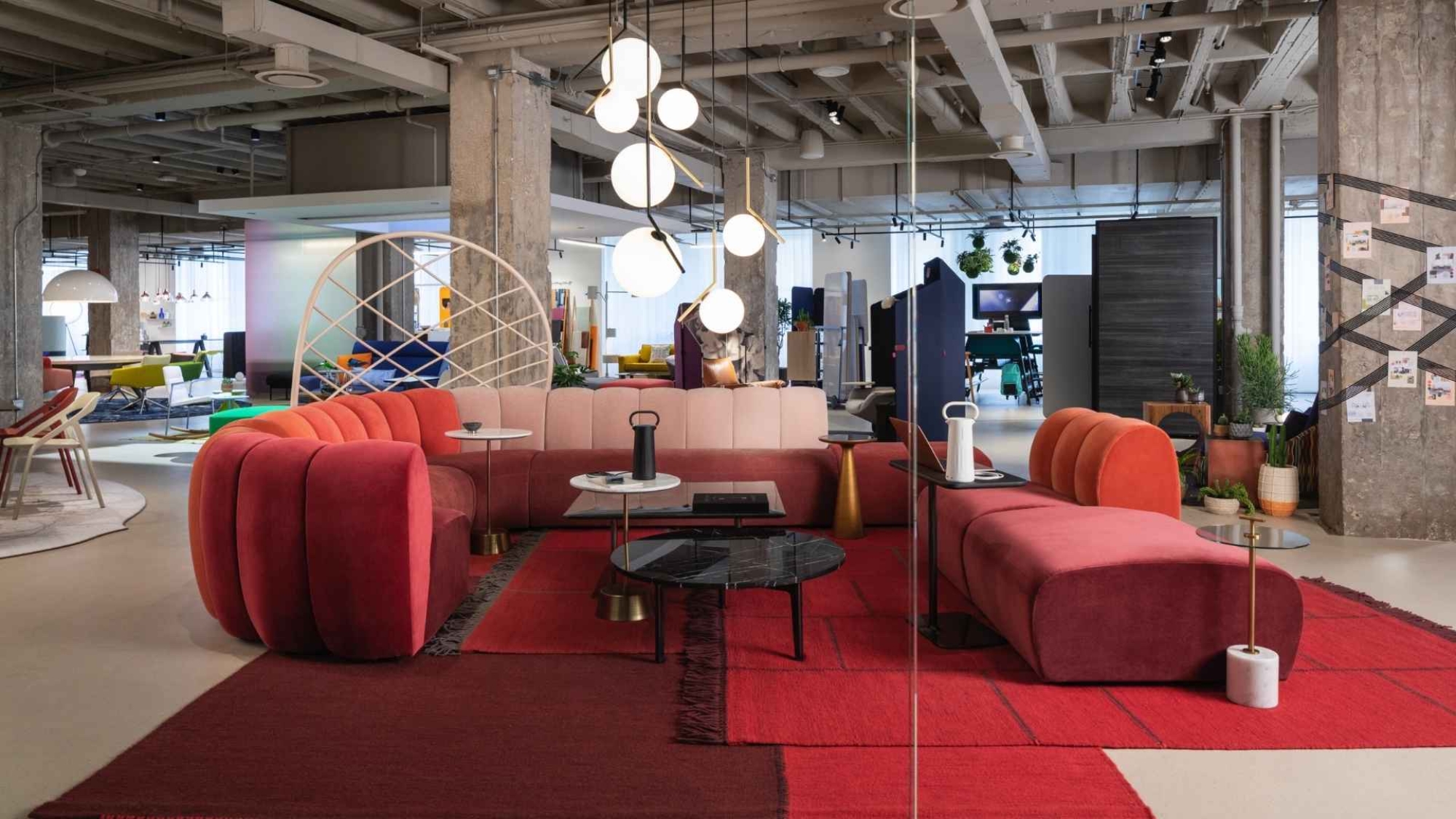
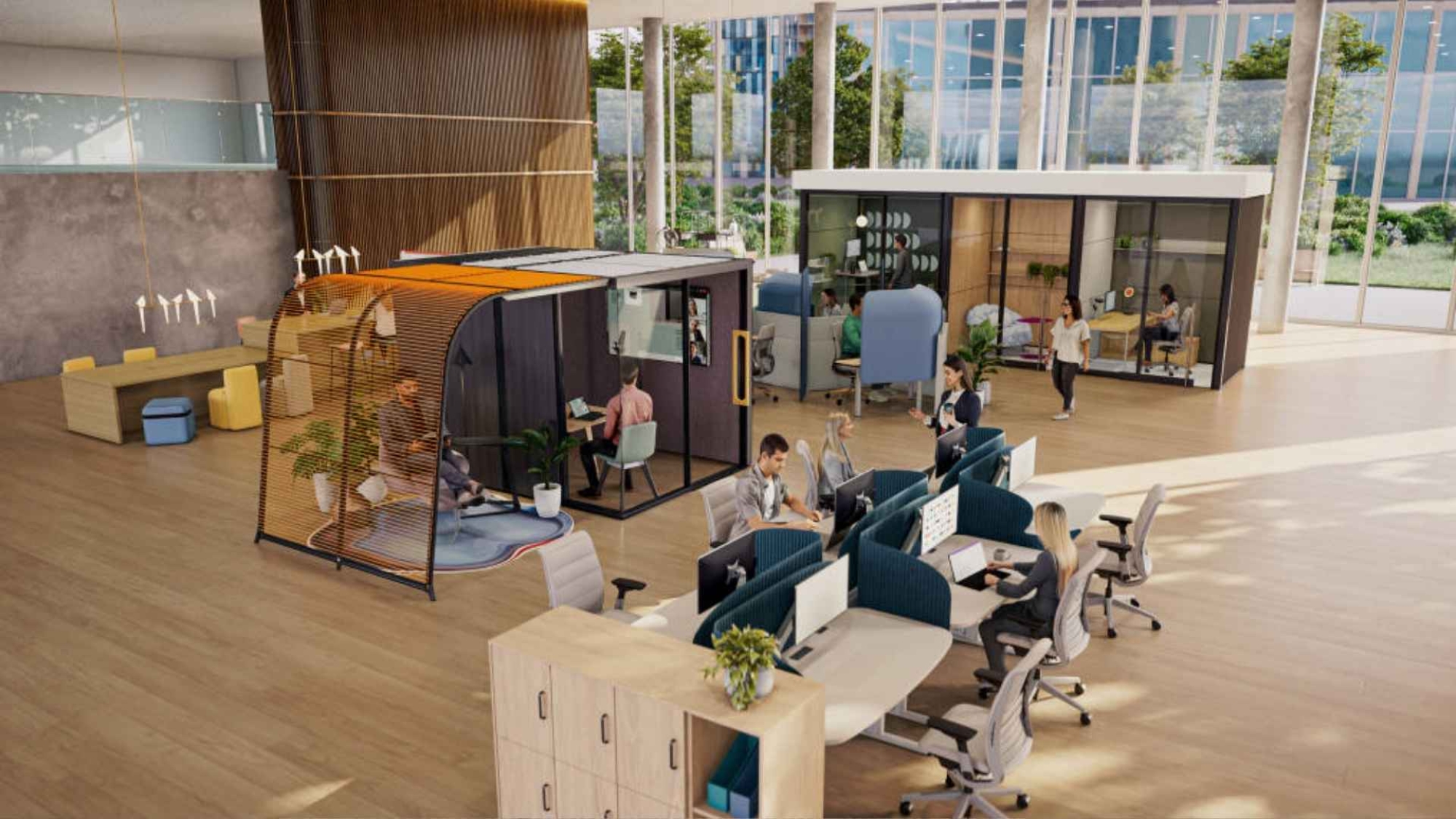
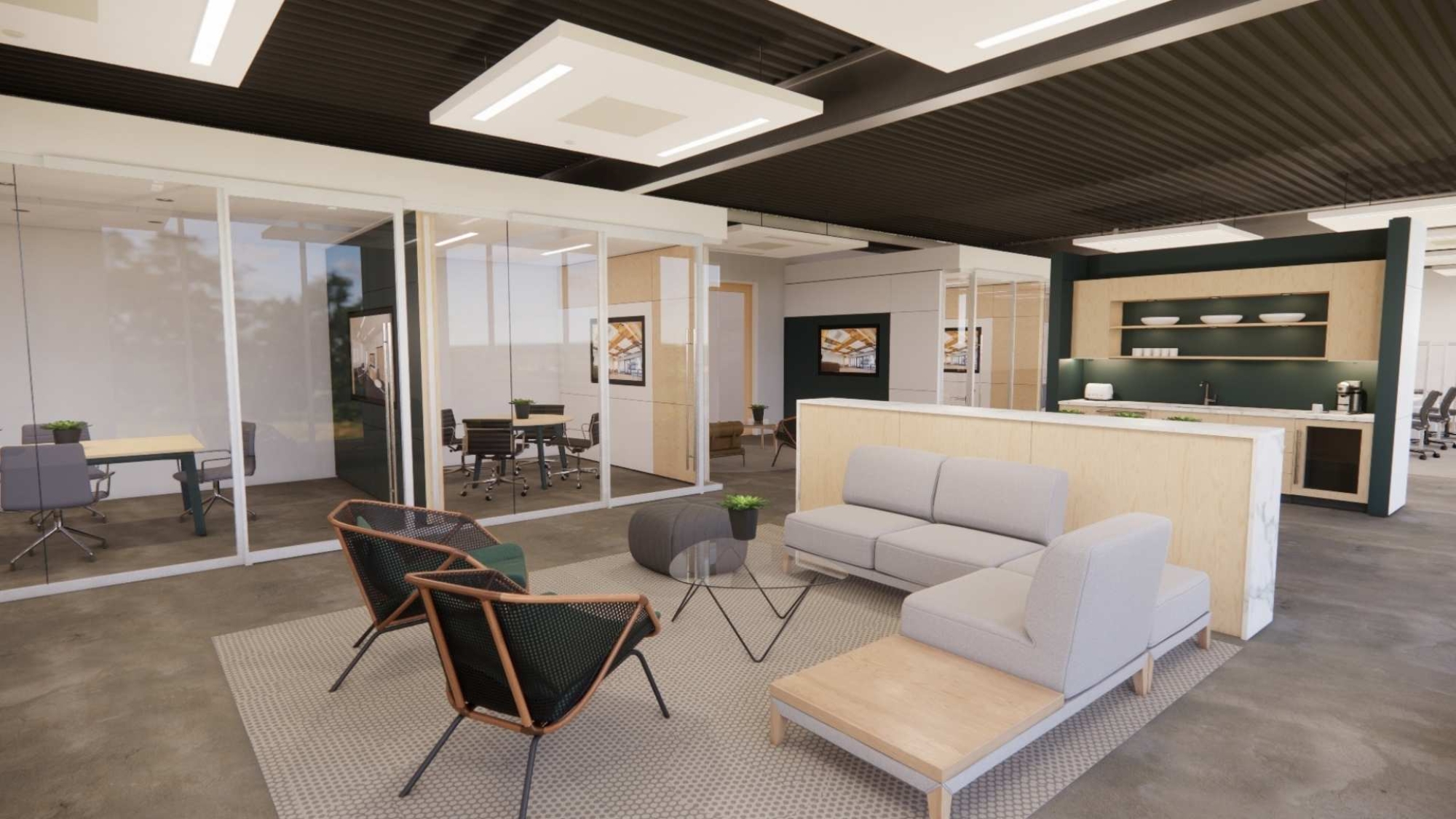
According to new research from Steelcase, the most successful organizations are designing offices that are flexible, multi-purpose, human-centered, and built for constant change. That means the era of buying furniture just to “fill space” is over. Your seating, workstations, conference rooms, lounges, and private offices need to adapt, reconfigure, and support different styles of work over time — not just one.
Your office should be more than a place to work — it should be a place that inspires people to want to do their best work.
As a Steelcase dealer serving Idaho and Nevada, Create Spaces helps organizations choose commercial office furniture that will stay functional and relevant as workplace needs continue to evolve. Here’s how to choose furniture with confidence, so your workspace is future-ready.
1. How Commercial Office Furniture Supports Real Work Patterns
Before selecting furniture, look closely at how your teams use space:
Do employees switch between individual focus and group collaboration?
Steelcase studies show that offices now succeed when they support variety — not just rows of desks or only open collaboration space. Medium and large businesses are especially focused on:
Spaces for deep focus
Team collaboration hubs
Private spaces for 1:1 conversations
Multi-purpose meeting zones
Your furniture should reflect these needs — not fight them.
2. Choose Office Seating That Supports Wellness & Movement
Office seating directly impacts comfort, focus, productivity, and long-term health. Steelcase research highlights that employees feel better and perform better when seating encourages movement and alignment.
Look for:
Adjustable height and lumbar support
Multiple posture support options
Breathable, durable materials
Chairs designed for all-day use — not just occasional use
Businesses are prioritizing fewer chairs, but better ones — a shift driven by hybrid work patterns.
3. Commercial Office Furniture Workstations That Adapt Over Time
Your team structure likely won’t stay the same for the next three years — your furniture shouldn’t be rigid either.
Choose workstation systems that:
Reconfigure easily
Support individual or shared use
Allow height adjustments
Manage power + technology cleanly
Scale as your headcount changes
Steelcase calls this trend “dynamic desking” — workstations that evolve as work changes, not work that must adapt to furniture.
4. Re-Think Conference Rooms to Support Hybrid Collaboration
Conference rooms are no longer just for in-person meetings. Today, they must support mixed presence collaboration.
Allows clear sightlines for in-person + remote participants
Fits the room — not too large, not too small
In Boise, Reno, and Las Vegas, we’re seeing demand for:
Flexible meeting rooms with movable conference tables
Small private rooms equipped for video calls
Larger gathering spaces that flex from workshop to presentation mode
When chosen well, your conference table becomes the anchor of your collaboration culture.
5. Balance Private Offices with Shared Focus Spaces
Steelcase research shows private offices still matter — especially for:
Leaders who support teams
HR + finance roles
Employees who need deep focus time
However — private space doesn’t always need walls. Acoustical pods, phone booths, and focus nooks offer privacy without the cost or permanence of construction.
This keeps your office layout flexible as business needs shift.
Conclusion
Choosing the right office furniture today means planning for how your teams will work tomorrow. When your office is flexible, functional, and human-centered, people feel better, collaborate more naturally, and produce better results.
At Create Spaces, we’re here to guide you — step by step — through planning, selection, space design, and installation. We’ll help you choose furniture that adapts with your organization, supports your people, and stays relevant through 2027 and beyond.
If you’re ready to start exploring what your future office could look like, we’d love to help. Let’s create a workspace where your people can thrive.
Designing Workplaces Like Communities: A Fresh Lens for Create Spaces
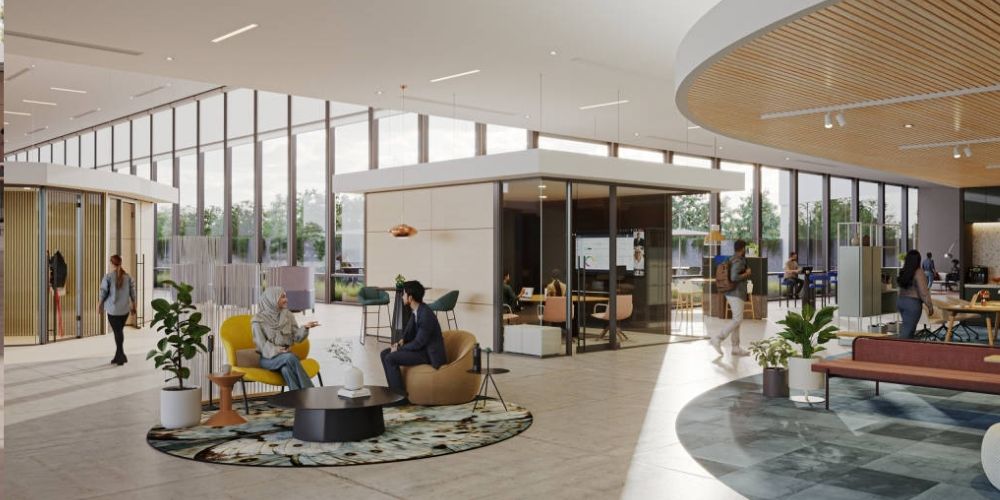
In recent years, the nature of work — where, when, and how it happens — has shifted dramatically. Many organizations now ask: how do we design a workplace that supports flexibility, connection, and purpose? One of the most compelling responses comes from Steelcase’s concept of Community-Based Design — the idea that offices should borrow the social logic of great cities to build environments where people feel they belong.
At Create Spaces, we believe this philosophy resonates deeply with our ethos: places should not merely host work — they should nurture community. Below, I’ll walk through the core ideas from Steelcase’s piece and reflect on how they can guide our workplace design approach in real projects.
The Challenge: Work Gets Lonely on Screen
Steelcase’s research highlights one of the biggest shifts: more work is happening online, even when people are in the office. Many “meetings” are just video calls at desks, not shared face-to-face interactions.
This “living on screen” mode distances us from spontaneous encounters and the casual collaborations that often spark innovation. The upshot? Even in hybrid offices, people feel isolated — and organizations see declines in belonging, culture, and connection.
To counteract this, workplaces must do more than offer desks and meeting rooms. They need to architect social life through intentional workplace design.
What Community-Based Workplace Design Looks Like
Steelcase’s research highlights one of the biggest shifts: more work is happening online, even when people are in the office. Many “meetings” are just video calls at desks, not shared face-to-face interactions.
This “living on screen” mode distances us from spontaneous encounters and the casual collaborations that often spark innovation. The upshot? Even in hybrid offices, people feel isolated — and organizations see declines in belonging, culture, and connection.
To counteract this, workplaces must do more than offer desks and meeting rooms. They need to architect social life through intentional workplace design.
What Community-Based Workplace Design Looks Like
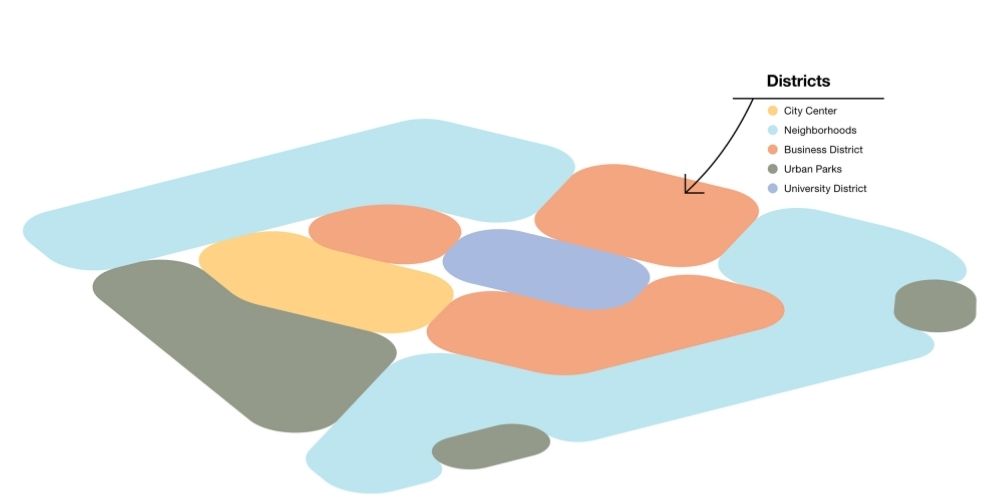
Steelcase draws an analogy to urban design: thriving cities are rarely cookie-cutter. They are layered — with dense public zones, quiet tucked pockets, walkable edges, and places for people to linger.
When we transfer that pattern to offices, we want:
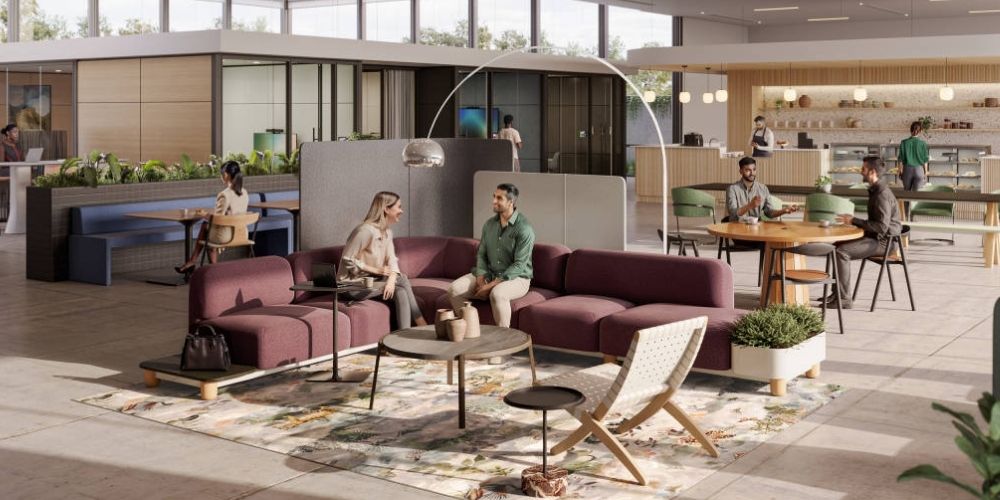
Diverse zones — a mix of open gathering areas, private nooks, semi-public “streets” or corridors that encourage pause.
Connected pathways — spatial clarity that helps people move easily between function and social zones.
Places to linger — not all spaces should scream “work mode.” Some should invite slow conversation, coffee, or informal gathering.
Flexibility and choice — people should sense control over their environment: acoustics, lighting, privacy, all matter.
One critical insight: acoustics and visual boundaries are not mere afterthoughts. Even small adjustments — plants, mobile partitions, and careful adjacency planning — can sculpt how people perceive and inhabit a space.
Also, “quiet” doesn’t mean “dead.” Ambient sound can be healthy if thoughtfully integrated, creating zones that feel safe but not sterile.
The Role of Social Infrastructure in Workplace Design
One of the more striking parts of Steelcase’s article is their nod to sociologist Eric Klinenberg, who defined social infrastructure as the physical and organizational spaces that facilitate human connection — libraries, parks, community centers.
Klinenberg’s work reminds us that the difference between a neighborhood that thrives and one that struggles often comes down to how social infrastructure is built and maintained. In a similar way, offices need social infrastructure — meeting nooks, pause zones, serendipitous cross-team paths — baked in from the start.
It’s not just about planned collaboration rooms, but about the incidental spaces where water-cooler talk, chance encounters, and spontaneous connection can emerge. That’s where culture is often made.
How Create Spaces Elevates Workplace Design
At Create Spaces, we’re inspired by Steelcase’s data-driven approach — aggregating order data, usage patterns, and environmental signals to spot emerging trends in how people use space.
Here are a few principles we carry into client projects:
Begin with people, not programs. Instead of imposing a fixed layout, we start by asking where people naturally congregate, where they hesitate, and what moments currently feel disconnected.
Layer social gradients. We build gradations: from quiet zones (focus) to semi-open (pairs, small groups) to social commons (larger gatherings). Each space has a tone, a sense of transition.
Design for the edges. Corridors, transition zones, and nooks are often overlooked, but they’re where chance collisions may happen. We treat them as design opportunities.
Acoustics with care. We embed absorptive materials, buffer walls, and spatial zoning early in the plan. People’s ability to focus or converse depends on this more than many expect.
Feedback loops built in. Long before finalizing, we test temporary layouts, watch movement patterns, and adjust. Sometimes a furniture shift or a path tweak unlocks whole new behavior.
Foster ownership. We invite users into the design process — giving teams room to adapt their zones, pick their finish palette, or customize boundary elements.
Partner for sustainability. Like Steelcase, we believe the physical artifacts of a workplace should reflect its values. We lean into sustainable materials, circular reuse, transparency in sourcing, and design for longevity.
Final Thoughts
Community-Based Design isn’t a checklist. It’s a mindset shift: moving from designing strictly for function to designing for relationship, surprise, and belonging. Steelcase’s research in Work Better Magazine offers an excellent foundation, and as we at Create Spaces bring that into practice, our aim is to make built environments not just efficient—but alive, connective, and human.
Great workplace design isn’t about where we work — it’s about how we connect once we’re there.
Smarter Interiors, Stunning Results: Why Falkbuilt Should Be Part of Your Next Project
Imagine walking into a new office, classroom, or studio where everything feels intentional. The layout flows, the finishes shine, and the prefabricated walls rise in a fraction of the time. There’s no dust, no chaos, and no endless delays. Instead, you experience a perfectly crafted environment that’s ready when you are.
That’s the beauty of Falkbuilt prefabricated walls—they’re built with precision, designed beautifully, and installed in days rather than months. Through Falkbuilt prefabricated interior construction, businesses in Boise, Reno, and Las Vegas are transforming how they build. From glass fronts and pods to millwork and acoustic solutions, every element performs beautifully and evolves with your needs.
With prefabricated walls, you can transform your environment more efficiently, reduce waste, and achieve a higher-quality finish—all while keeping flexibility and design intent intact.
What is Falkbuilt?
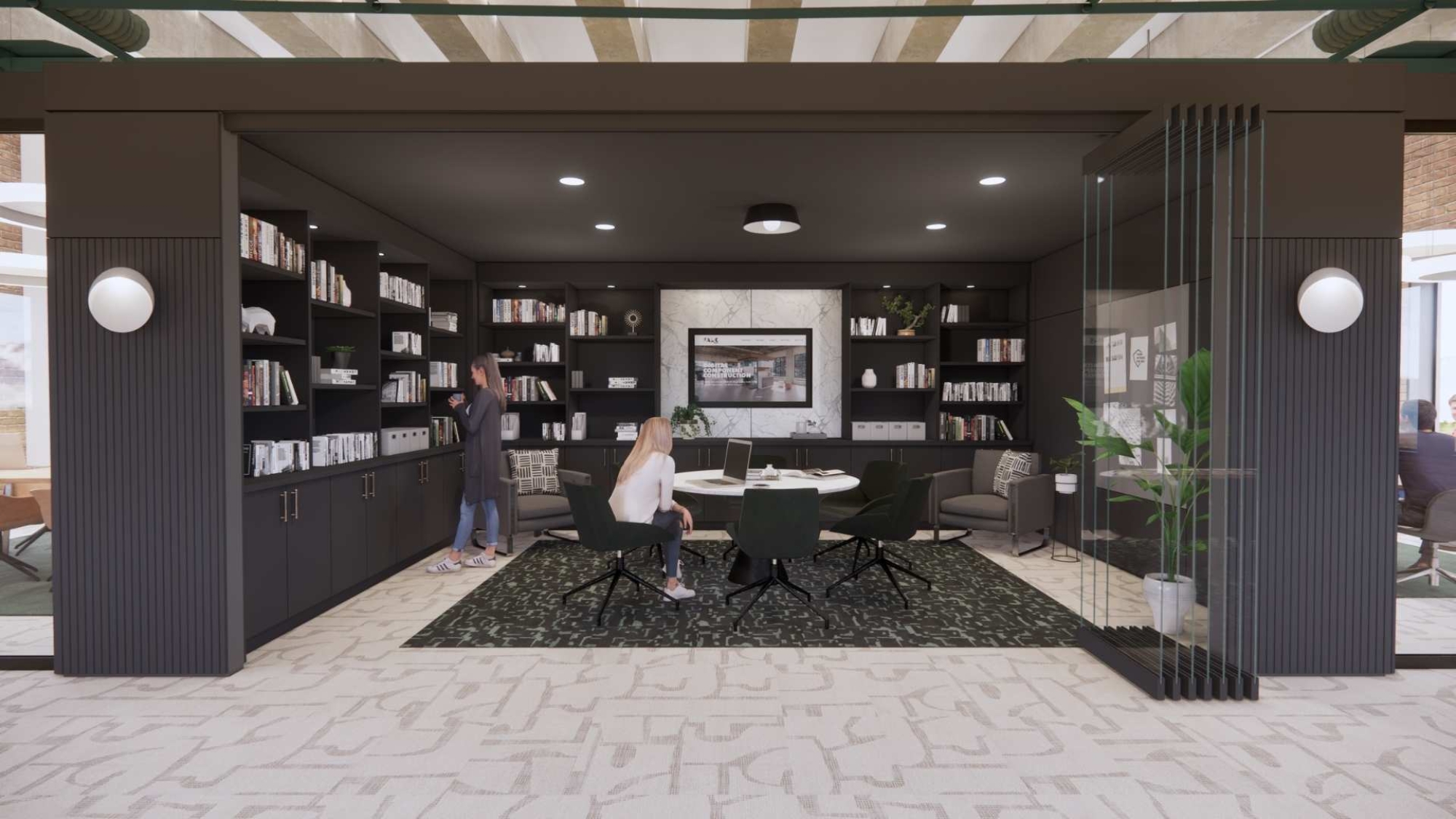
Falkbuilt combines digital design with real-world craftsmanship through Digital Component Construction (DCC). In simpler terms, we build your walls, pods, and millwork offsite, ship them flat-packed, and install them quickly and cleanly onsite.
As a result, the process is faster, cleaner, and far more consistent.
Faster timelines – Projects finish sooner, with fewer disruptions.
Sustainable practices – You’ll use fewer materials, reduce emissions, and cut waste.
Acoustic performance – Enjoy the privacy and focus that modern work demands.
Technology integration – Power, AV, and data integrate seamlessly into your walls.
Because each component is digitally modeled, fabrication happens with precision. This reduces onsite errors and keeps your project on track from start to finish.
Why You’ll Want Falkbuilt Prefabricated Walls in Your Next Project
Traditional construction can be messy, noisy, and unpredictable. However, with Falkbuilt, you get beautiful, high-performing spaces—without the headaches.
Think about it:
In a corporate office, prefabricated walls create private offices, collaboration zones, or open glass meeting spaces.
In education, flexible layouts and writable surfaces make classrooms more engaging and adaptable.
In hospitality, sleek finishes and custom millwork create a polished, memorable experience.
In every case, Falkbuilt delivers results faster, cleaner, and with greater design flexibility. It’s the smarter way to build today—and the sustainable way to plan for tomorrow.
See the Possibilities
Now, imagine the difference:
Glass walls that let in natural light while maintaining privacy.
Pods that offer quiet zones for focus and productivity.
Millwork and finishes that look fully custom but install in a fraction of the time.
Workspaces that evolve effortlessly as your teams grow.
As a result, your space doesn’t just look better—it performs better every day.
Why Create Spaces + Falkbuilt?
At Create Spaces, we believe that the right environment changes how people work, learn, and connect. That’s why our partnership with Falkbuilt matters. Together, we deliver furniture, technology, and prefabricated interiors under one roof, giving you a complete solution from concept to installation.
Additionally, our local teams in Boise, Reno, and Las Vegas ensure that every project receives personal attention, responsive service, and regional expertise. Whether you’re designing a new office or refreshing an existing space, we’ll help you build smarter, faster, and more sustainably.
Ready to Build Smarter?
Your next project deserves more than traditional construction. Discover how Falkbuilt prefabricated walls can help you create flexible, efficient, and future-ready environments.
Learn how to assess your office space, choose the right conference tables and furniture, and create a productive, collaborative workspace for your business.
Planning an office renovation or move in Boise, Reno, or Las Vegas? Choosing the right office furniture is critical for productivity and comfort. With options like ergonomic chairs, modular cubicles, conference tables, and private offices, it can be overwhelming. Knowing how to assess your office space and match furniture to your needs ensures your investment pays off. At Create Spaces, we guide businesses to design functional and stylish workspaces.
How to Assess Your Space: Factors to Consider
Start by evaluating your workspace. This helps you maximize functionality and avoid unnecessary purchases.
Floor Layout: Measure your office carefully. Note walls, windows, doors, and traffic flow. This ensures furniture fits comfortably.
Employee Count & Departments: Identify how many people will use the space. Consider how teams collaborate. Large teams may need open-plan workstations. Smaller teams may prefer private offices.
Work Activities: Determine the type of work your employees do daily. Are tasks individual, collaborative, or mixed? Choose furniture that supports workflow.
Storage Requirements: Account for filing cabinets, lockers, and shared storage. Organized storage reduces clutter.
Technology Integration: Plan for power hubs, cable management, or conference tables with integrated AV and power solutions in meeting rooms and workstations.
Completing this assessment early ensures your furniture supports your business goals.
Choosing Open-Plan, Private Offices, and Conference Tables
Deciding between open-plan, private office furniture, and conference tables is critical.
Open-Plan Furniture: Use modular desks, low cubicles, and collaborative tables. This setup encourages teamwork. It suits creative teams and startups.
Private Offices: Enclosed offices and high panels reduce distractions. They help employees focus on tasks. They are ideal for executives, HR, or finance teams.
Conference Tables: A well-chosen conference table anchors your meeting space. It supports collaboration and creates a professional impression for clients and staff.
Hybrid Approach: Many offices in Boise, Reno, and Las Vegas combine open, private, and conference spaces. Employees can choose their workspace depending on tasks. This flexibility improves productivity and well-being.
Select the balance that aligns with your company culture, space, and workflow.
Working with a Furniture Expert for Space Planning
Even with careful planning, office design can be complex. Create Spaces provides expert guidance to simplify the process.
Customized Solutions: We help businesses in Boise, Reno, and Las Vegas select furniture that fits the space and workflow.
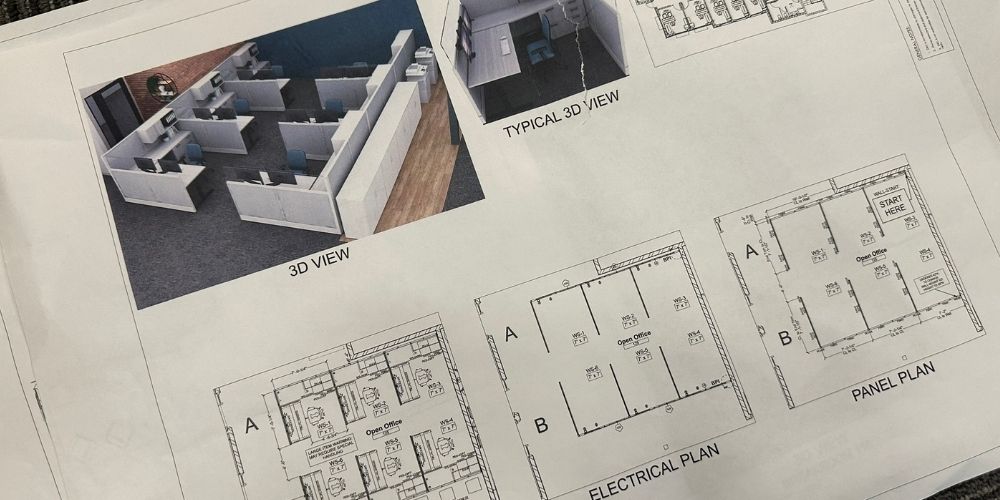
3D Space Planning: Our designers create layouts and 3D renderings. Clients can visualize the office before any purchase.
Maximizing Efficiency: We use every square foot effectively. This improves employee comfort and collaboration.
Expert Brand Selection: As an authorized Steelcase dealer, we provide ergonomic chairs, modular cubicles, conference tables, and private offices. All products are durable and research-backed.
Partnering with an expert removes guesswork. Your office will look professional and function efficiently.
Conclusion
Determining your office furniture needs doesn’t have to be stressful. Assess your space, evaluate workflow, and work with Create Spaces.
Businesses in Boise, Reno, and Las Vegas benefit from proper office furniture planning. A well-designed office boosts productivity, supports collaboration, and enhances employee well-being.
Contact Create Spaces today to create a workspace tailored to your business, including ergonomic chairs, modular cubicles, and the perfect conference table for your meeting space.
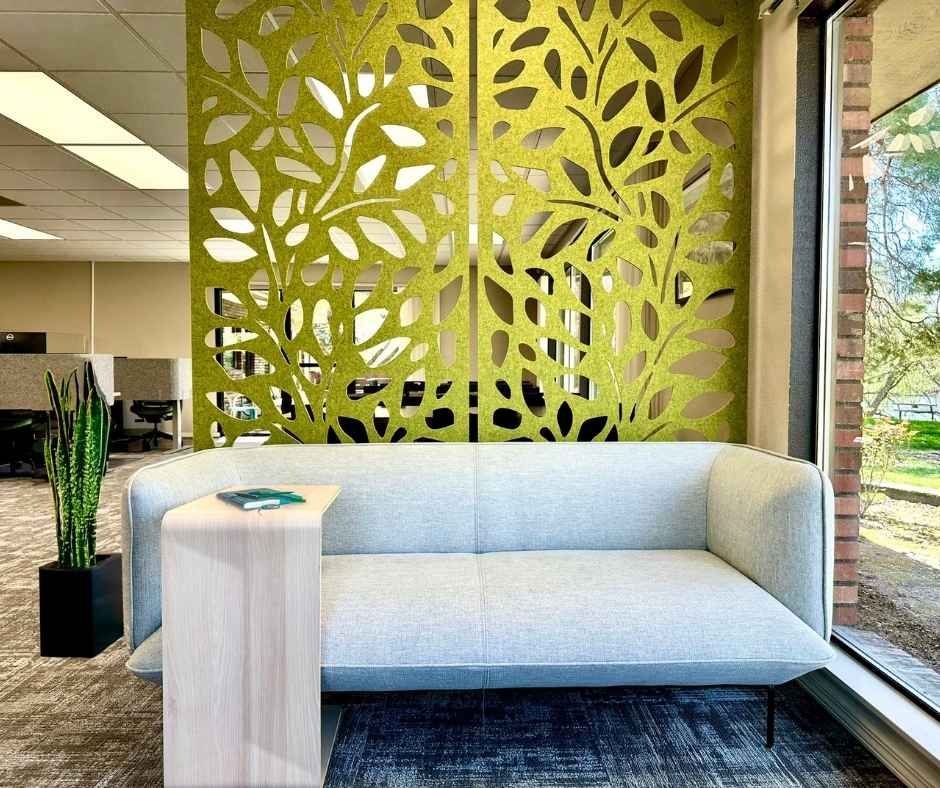
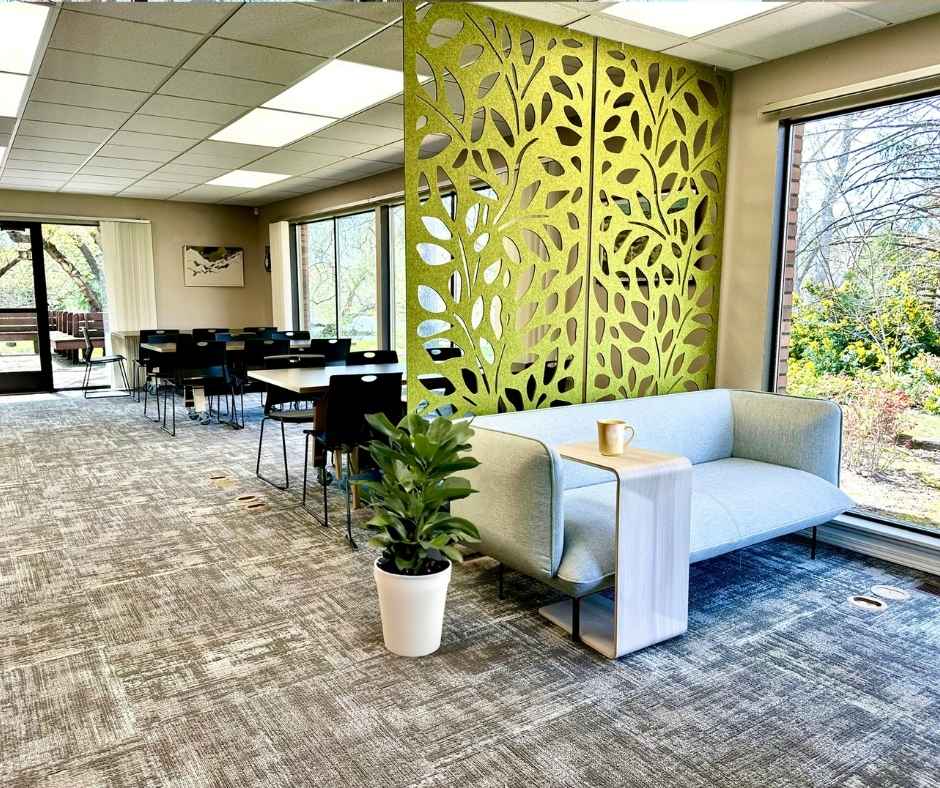
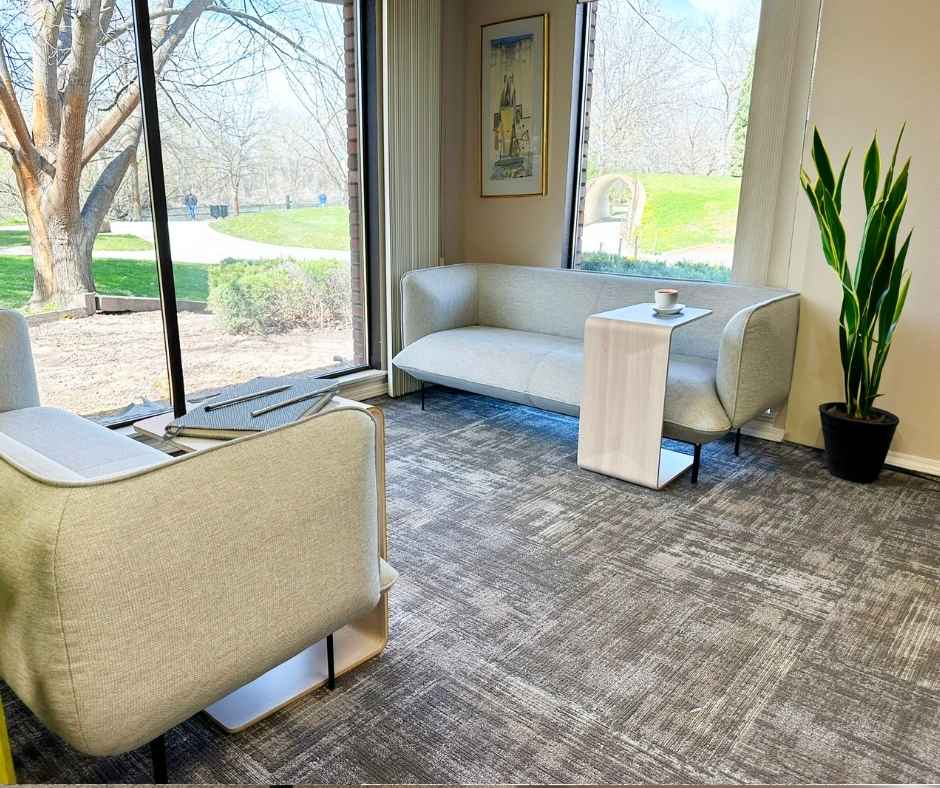
Boise Office Furniture & Workplace Design | Syringa Project — Create Spaces partnered with Syringa Property Management to deliver a complete office transformation that reflects their collaborative, people-first culture. This Boise office furniture and workplace design project went beyond replacing old desks; it reimagined the space to support employee wellness, team connection, and stunning views of the Boise River and greenbelt.
Rather than a one-for-one furniture swap, we approached this as a complete commercial office furniture redesign—bringing in ergonomic solutions, maximizing natural light, and creating intentional zones for focus, connection, and flexibility.
Project Goals: for a Boise Office Furniture Redesign
Syringa’s leadership team had a clear vision for their new office environment. They wanted a space that would:
Reflect their upbeat, community-driven company culture
Replace bulky, outdated desks with modern, height-adjustable workstations
Improve comfort and ergonomics across all departments
Create casual spaces for collaboration, lunch breaks, and impromptu meetings
Highlight the scenic Boise River and greenbelt views
Make the office’s layout feel seamless, open, and cohesive
As a Boise-based office furniture dealer, Create Spaces delivered a tailored solution that supports both individual work and team interaction—blending commercial-grade furniture with smart space planning:
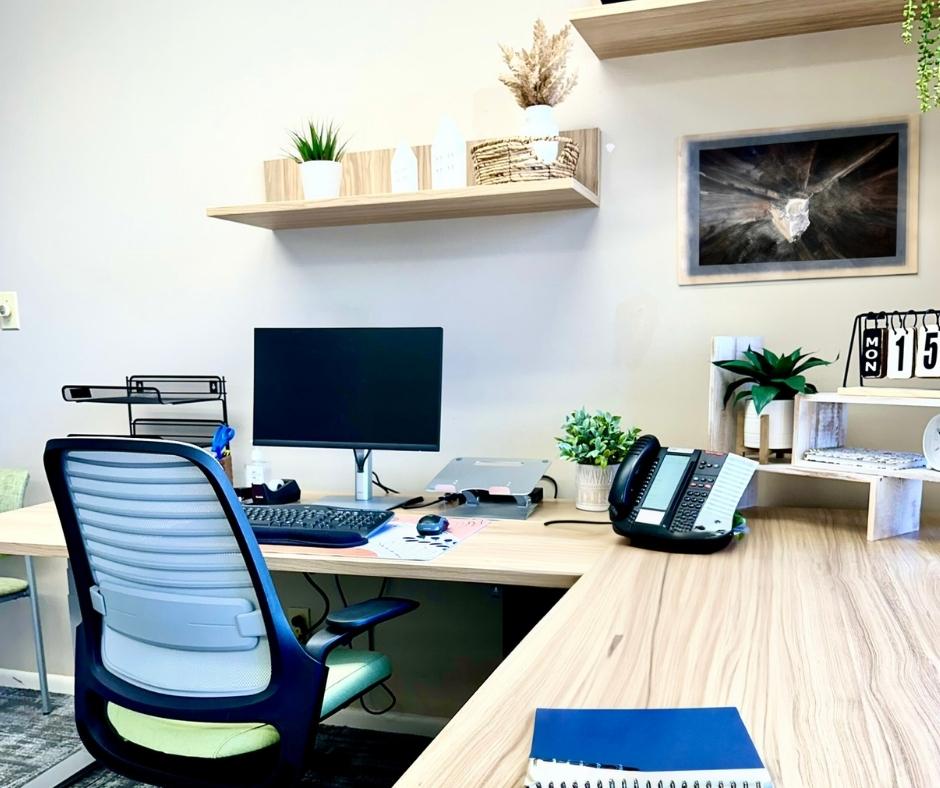
Private Offices: Upgraded with clean, modern furnishings and a calming, minimalist design to promote focus.
Shared Offices: Outfitted with ergonomic chairs and versatile layouts to support both independent work and collaboration.
Open Office Area: Installed 13 height-adjustable desks to give employees the freedom to sit or stand throughout the day.
Collaboration Zones: Two shared common areas were added for informal meetings, meals, and quick recharges—with direct views of the river and greenbelt.
Cohesive Visual Strategy: Every finish, material, and layout choice was aligned with Syringa’s brand identity and workplace culture.
Results: A Flexible, Future-Ready Office
The redesigned space now functions as an extension of Syringa’s values—inviting, adaptable, and supportive of employee wellbeing. Team members enjoy:
Improved ergonomics and comfort
Greater flexibility in how and where they work
Stronger social connection across teams
A revitalized environment that inspires productivity
This transformation not only enhances day-to-day operations but also helps Syringa remain competitive in talent attraction and retention—an essential edge in today’s workplace landscape.
Looking to Upgrade Your Office in Boise, Las Vegas or Reno?
Whether you’re a growing company or a well-established organization, Create Spaces provides full-service commercial furniture and workplace design solutions throughout Boise, the Treasure Valley, and beyond. From concept to installation, we help clients like Syringa turn vision into reality—with flexible furniture, expert space planning, and local service you can count on.
Overview: Commercial Office Furniture Vegas St. John Neumann
Commercial Office Furniture Vegas St. John Neumann – When St. John Neumann Roman Catholic Church began building its new Parish in Las Vegas, the leadership team partnered with Create Spaces to help bring their vision to life. They needed a space that felt warm, modern, and welcoming—one that reflected their mission to be transformed, generous, and community-focused.
This commercial office furniture and AV design project for a faith-based institution required a careful balance of form and function. From worship areas to classrooms and staff offices, each space was designed to support both spiritual connection and daily operations. As a result, the Parish now offers a flexible and comfortable environment that encourages reflection, learning, and belonging.
Project Goals: Modern Church Furniture & Collaborative Spaces
To support St. John Neumann’s goals, Create Spaces focused on three main priorities:
Designing clean, open workspaces that promote connection and productivity among staff and volunteers
Creating a memorable, comfortable experience for both long-time parishioners and new visitors
Enhancing teaching and learning environments for ministry leaders, educators, and students
In addition to those goals, the Parish needed furniture that could adapt over time and support multiple uses across ministries.
Solutions and Highlights: Commercial Furniture and AV Design for Churches
To bring the vision to life, Create Spaces provided a comprehensive commercial furniture and audiovisual solution tailored to the needs of a growing faith-based organization in Las Vegas.
Music Rooms now feature acoustic-friendly furniture that encourages creativity while providing comfort for rehearsals and instruction.
Private Offices for church staff and clergy were designed with intention—especially the parish leader’s office, which blends elegance with practicality.
Flexible Meeting Rooms are equipped with modular furniture, making it easy to host small group gatherings, staff planning sessions, and ministry events.
Conference Rooms include integrated AV technology, allowing for seamless presentations, meetings, and remote collaboration when needed.
Each space was designed with the church’s mission in mind, ensuring that functionality, comfort, and aesthetics work in harmony.
Results: A Parish Built for Connection, Comfort & Growth
Although the Parish hasn’t officially opened its doors yet, leadership and members have already expressed their excitement and appreciation. The new space doesn’t just look beautiful—it works. As a result, church leaders now have a space that supports their mission while serving the needs of their community.
Following the success of this project, Create Spaces is continuing its partnership with St. John Neumann. Upcoming phases include renovations to the original church building and expanded seating throughout the new facility. Meanwhile, the completed areas already reflect the power of thoughtful design in supporting spiritual growth.
Father’s Office
Father’s Office
Private Office
Private Office
Classroom
Conference Room
Conference Room
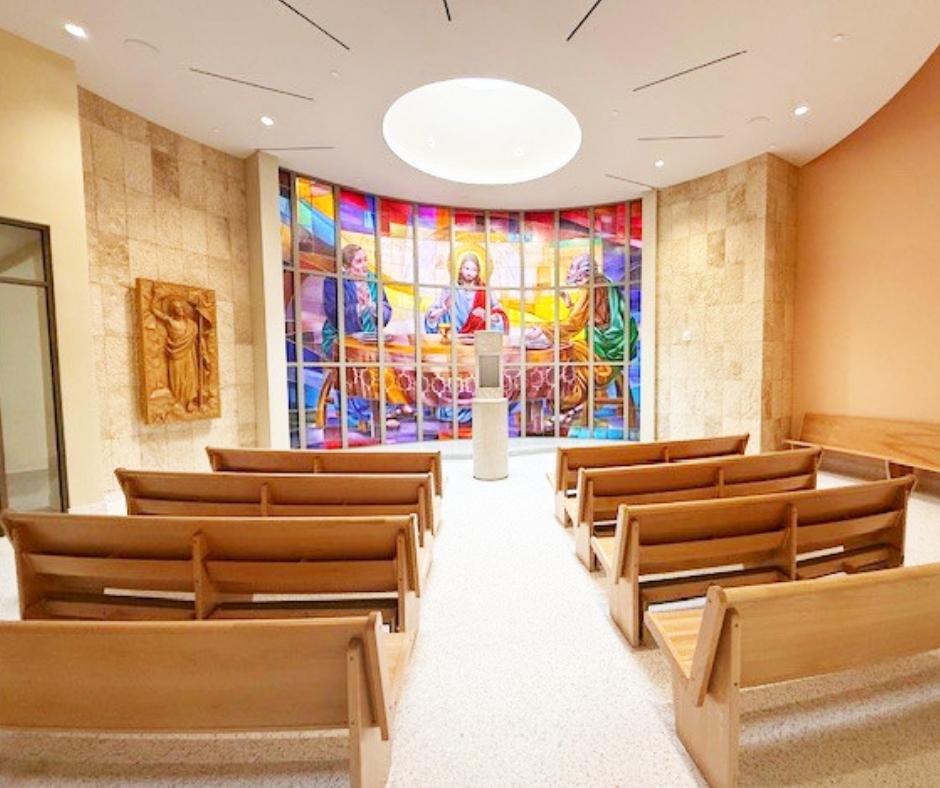
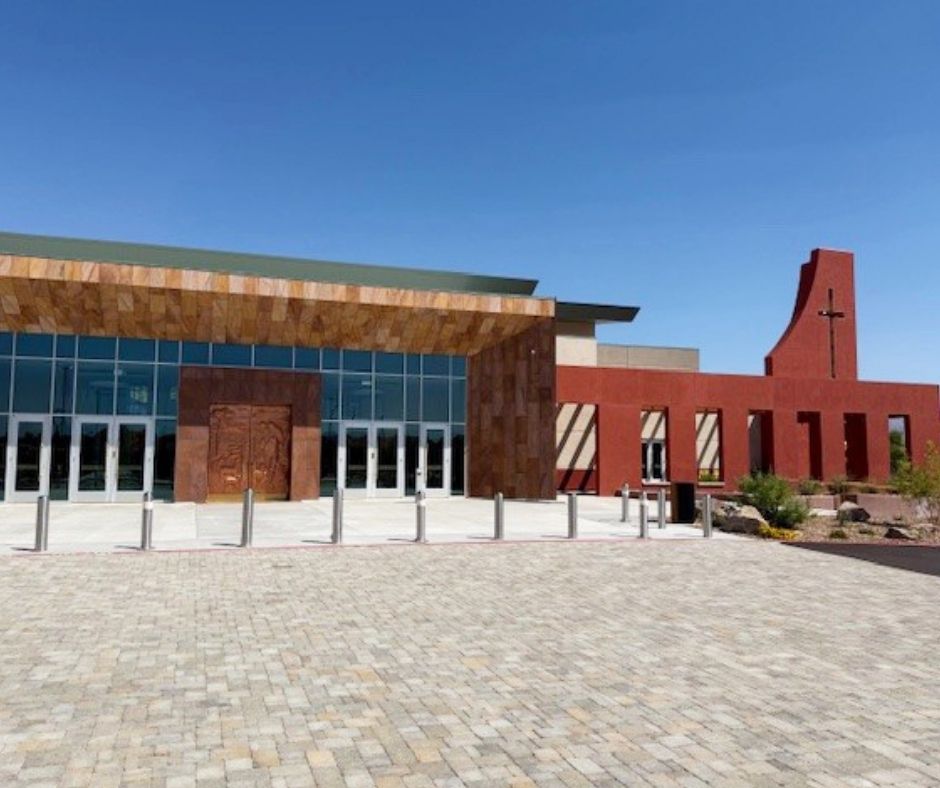
St. John Neumann Church
St. John Neumann Church
Serving Faith-Based and Educational Institutions in Las Vegas, Reno & Boise
Create Spaces delivers commercial furniture and workplace design solutions for churches, schools, nonprofits, and businesses across Las Vegas, Reno, and Boise. Whether you’re building a new campus or upgrading an existing facility, our team provides full-service support—from furniture selection to technology integration and installation.
Overview: Office Desks for Boise Co-Op | Corporate Office Design in Meridian, Idaho
Office Desks for Boise Co-Op | Corporate Office Design in Meridian, Idaho – The Boise Co-Op partnered with Create Spaces to design and furnish its new corporate office in Meridian, Idaho. The goal was clear: create a functional, collaborative environment that reflects the Co-Op’s values—community, sustainability, and flexibility—while staying within a realistic budget.
To achieve this, we delivered a custom furniture plan centered around office desks for Boise Co-Op staff, creating flexible work zones that support focus, movement, and team connection. The final workspace strikes a balance between modern professionalism and the warm, inviting feel the Co-Op is known for.
Employees now have the freedom to move between individual desks, casual lounges, and team spaces—choosing the setup that best suits their tasks throughout the day.
Project Goals
To support the Boise Co-Op’s evolving workplace vision, the Create Spaces team focused on:
Designing a flexible open-office layout with defined team and focus zones
Selecting commercial office desks that support both heads-down work and collaboration
Integrating neutral, earthy finishes with pops of color to reflect the Co-Op’s branding
Providing enclosed meeting rooms for privacy and partner discussions
Bringing all departments together to foster better communication and team culture
Solutions and Highlights: Office Desks and Furniture That Work
To bring this vision to life, Create Spaces delivered a full suite of commercial office furniture, carefully chosen to support productivity and flexibility:
Private Offices were outfitted with ergonomic office desks, storage, and seating to reflect individual roles and working styles
Open Office Workstations featured benching-style desks designed to encourage collaboration, transparency, and wellness
Conference and Collaboration Rooms included flexible tables and AV integration to support both scheduled meetings and spontaneous teamwork
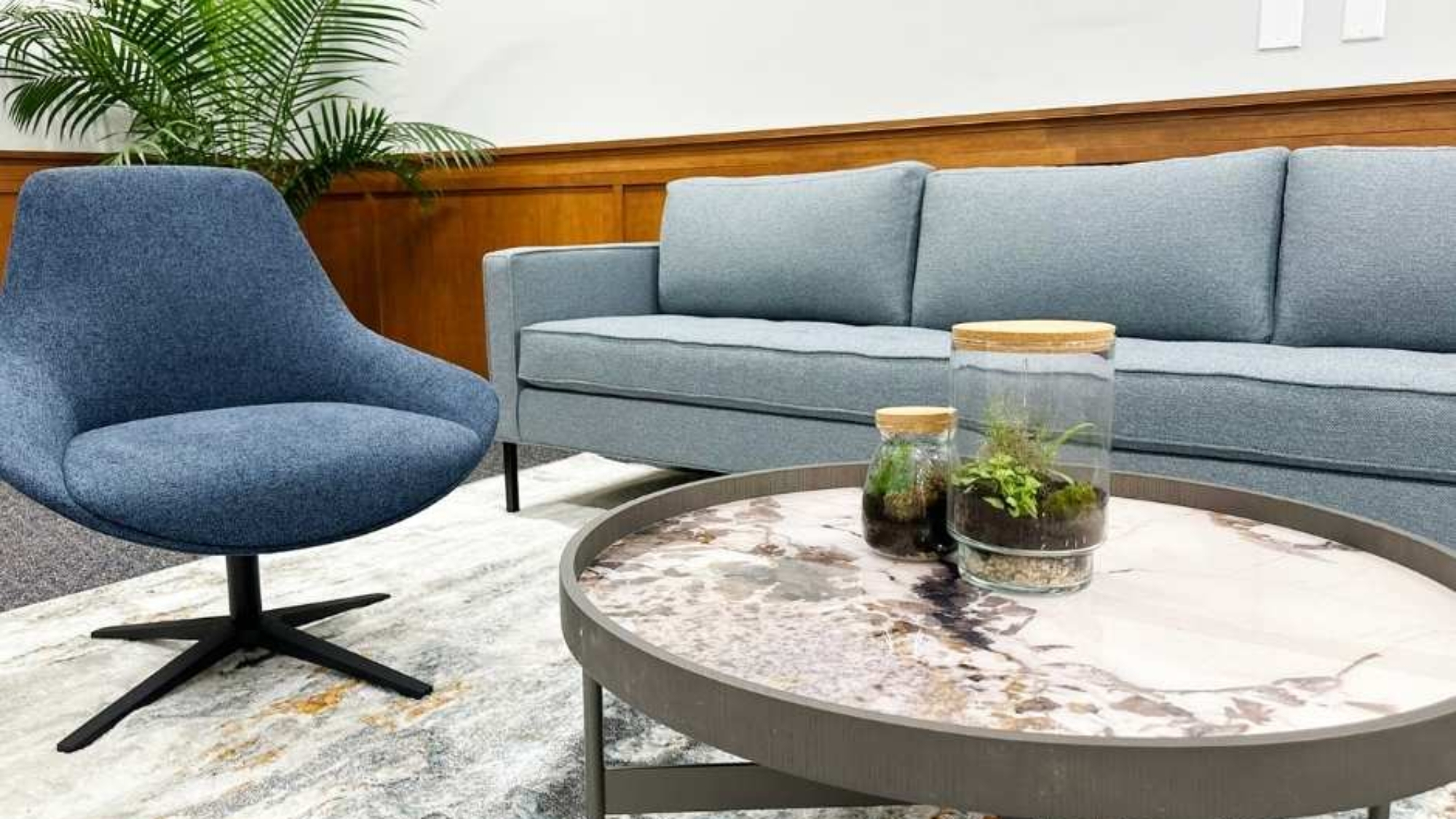
Ancillary Seating Zones provided casual meeting spaces with lounge-style chairs and movable surfaces—ideal for quick check-ins and creative work
Every piece of furniture, especially the office desks for Boise Co-Op, was chosen to align with their mission and enhance daily operations without sacrificing comfort or aesthetics.
Results: A Connected, Future-Ready Workplace
The new corporate office offers far more than just a collection of desks—it delivers a dynamic environment where employees feel empowered, focused, and engaged. With all departments now under one roof, Boise Co-Op enjoys improved internal communication and stronger team cohesion.
As a result of this successful partnership, Create Spaces is proud to continue supporting the Co-Op as they grow, evolve, and pursue future projects across the Treasure Valley.
Front Welcome Area
Boardroom
Open Office Workstation
Open Office Workstation
Cozy Common Area
Cozy Common Area
Private Office
Private Office
Small Conference Room
Break Room
Need Office Desks in Boise, Las Vegas or Reno?
Create Spaces delivers commercial furniture and workplace design solutions for churches, schools, nonprofits, and businesses across Las Vegas, Reno, and Boise. Whether you’re building a new campus or upgrading an existing facility, our team provides full-service support—from furniture selection to technology integration and installation.