
employee burnout

How To Avoid Employee Burnout 

Employee burnout is a state of emotional, physical, and mental exhaustion caused by prolonged or excessive stress. It’s characterized by feelings of cynicism, detachment, and reduced performance. When employees are burned out, it negatively impacts productivity, job satisfaction, and overall company morale.    

Causes of Employee Burnout 

  • Overwhelming workload: Excessive tasks or unrealistic deadlines.    
  • Lack of control: Employees feel like they have little autonomy in where they work and how they work. 
  • Inadequate reward: Feeling undervalued or underappreciated. 
  • Lack of support: Insufficient resources or a negative work environment.    
  • Work-life imbalance: Difficulty separating work from personal life.    

Preventing Employee Burnout 

To combat burnout, businesses should prioritize employee well-being and implement strategies to create a healthier work environment.  

How Cultural Changes Can Reduce Employee Burnout:  
  • Recognizing and rewarding employees for a job well done. 
  • Promote time off, flexible work arrangements, and boundaries around disconnecting. 
  • Employee development and trainings help employees grow and feel like they are improving in their roles. 
  • Open communication with employees helps them feel heard and valued. Be willing to ask for their feedback on decisions. 
  • Update job descriptions when necessary and ensure employees have manageable workloads. Set realistic expectations. 
How Physical Space Can Reduce Employee Burnout 

The physical workspace plays a crucial role in employee well-being and can significantly impact burnout levels. Here are some ways to design a space that promotes employee health and happiness:    

  • Natural Light: Improve your employee’s exposure to natural light as much as possible. This improves mood, focus, and overall well-being by linking them with natural circadian rhythms.   
  • Biophilic Design: Incorporate elements of nature, like plants and natural materials in your workplace to reduce stress and improve air quality.    
  • Ergonomic Furniture: Provide ergonomic chairs, height adjustable desks, and other furniture to help prevent physical discomfort and reduce fatigue.    
  • Acoustics: Minimizing noise distractions with sound-absorbing materials can improve concentration and reduce stress.  Providing focus rooms that are private and quiet is another great way to reduce stress while increasing productivity. 
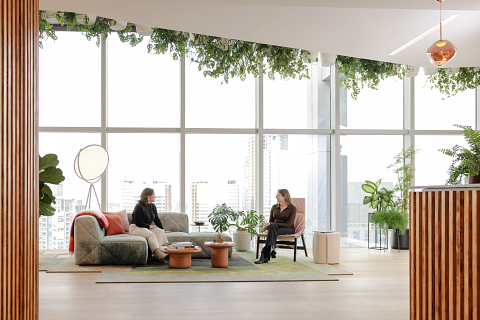
two women sitting and talking
Incorporate biophilia into your office design

Fostering Collaboration and Social Interaction 

  • Flexible Spaces: Offering various workspaces, such as open areas, private offices, and collaboration zones, allows employees to choose the environment that best suits their task.    
  • Breakout Areas: Providing designated areas for relaxation, socializing, and informal meetings can help employees recharge and connect.    
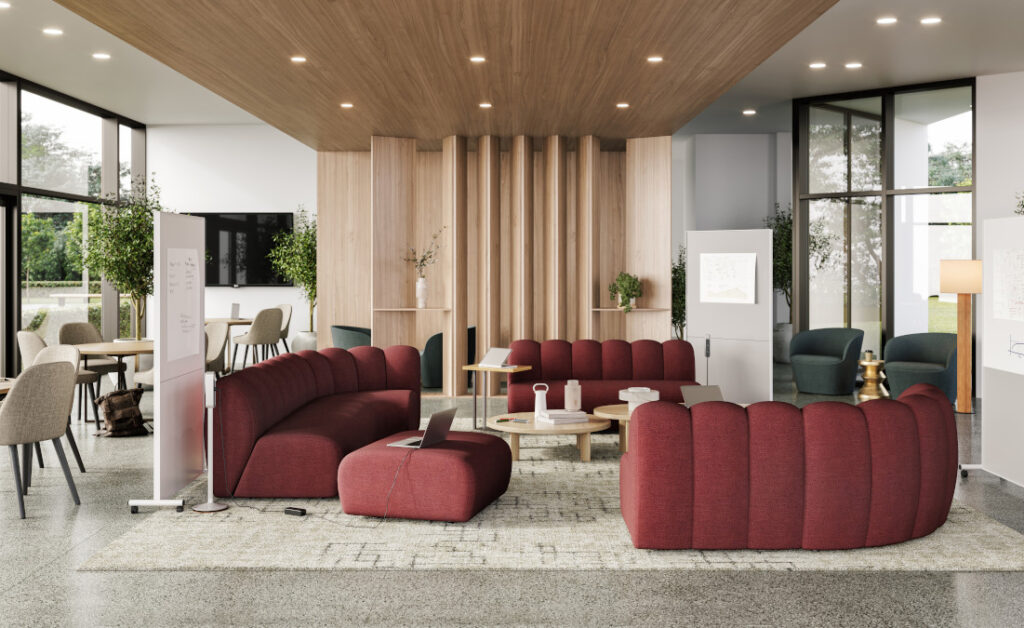
  • Kitchen and Cafeteria: A well-equipped kitchen and cafeteria encourage social interaction and provide a space for employees to take breaks. Make this space work at maximum capacity by transforming it into a Work Cafe. 
featured projects header
Example of a Work Cafe

Prioritizing Employee Well-being 

  • Quiet Rooms: Creating quiet spaces for focused work or relaxation can help employees recharge and reduce stress.    
  • Wellness Facilities: Offering amenities like gyms, meditation rooms, or shower facilities can promote physical and mental well-being. 

By investing in a well-designed and employee-centric workspace, businesses can create an environment that supports employee well-being and reduces the risk of burnout. While space can play a huge role in shaping the culture of an organization, taking steps to empower employees in their work is also tremendously important. Start with building a strong relationship with your employees, then create an environment that supports them. 

Receive our Newsletter  

To receive our newsletter, including new editions of spaces and other digital content, fill out the form: 
Designing a space that works for your team

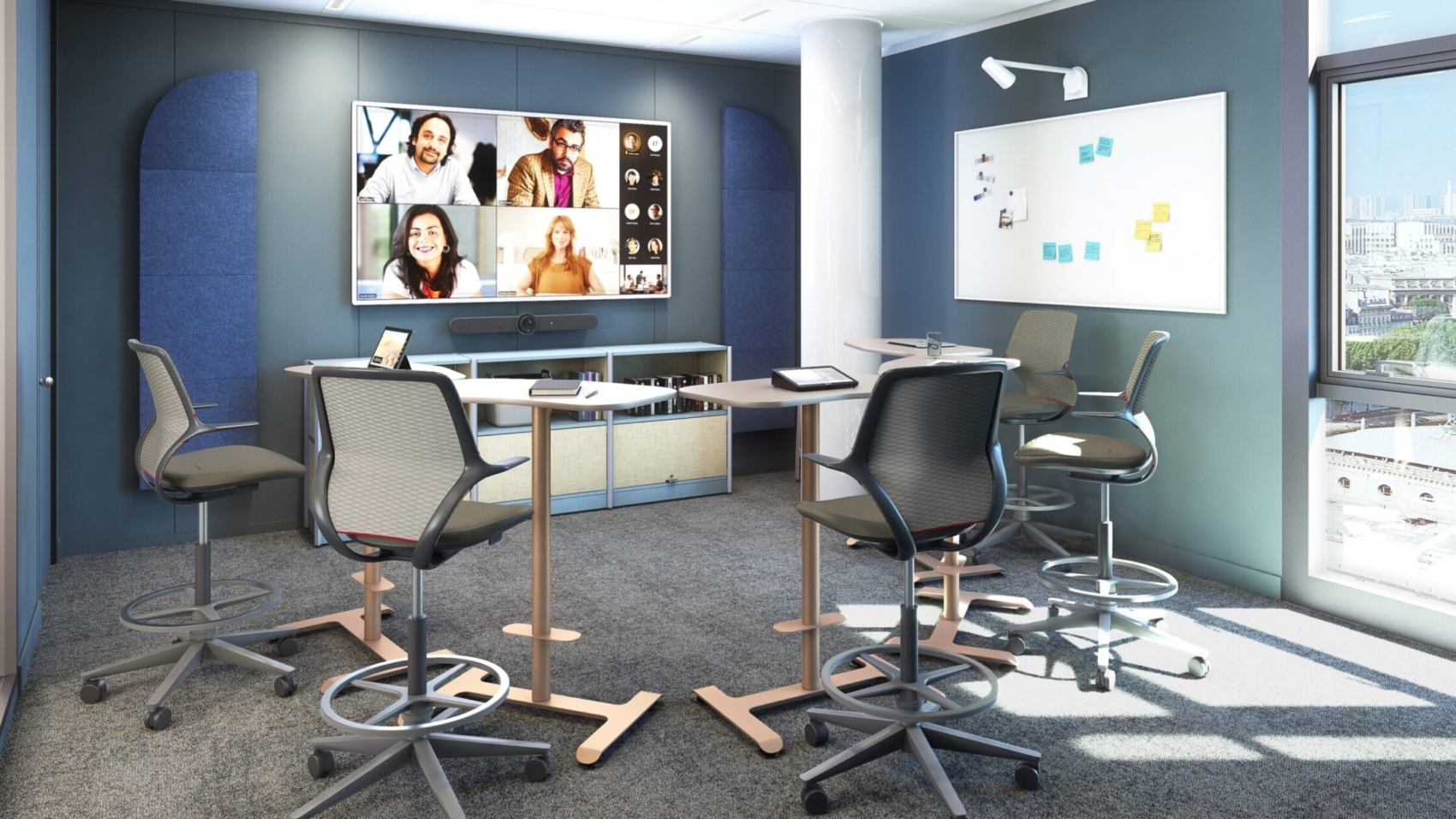
Spaces Employees Need Now: Multipurpose Conference Rooms

The rise of remote and hybrid work combined with a changing economy has transformed how businesses operate, particularly regarding office space. With more employees working from home and the increasing popularity of hybrid work models, many companies are downsizing their office space to reduce costs and adapt to new work styles.  

General Trends in Office Downsizing 

  1. Increased Remote Work: The shift towards remote work has allowed many companies to significantly reduce the need for traditional office space. Companies no longer need to maintain large offices for a workforce that primarily operates remotely. 
  1. Hybrid Work Models: As businesses adopt hybrid work models, they require less office space per employee due to employees frequenting the office less. Many companies have moved to flexible work schedules where employees rotate between working from home and coming into the office. 
  1. Cost Reduction: Downsizing office space can lead to substantial savings in rent, utilities, and maintenance. These savings are often redirected towards enhancing remote work capabilities or investing in collaborative technologies. 
  1. Focus on Collaboration: Even as office space shrinks, there’s a growing emphasis on creating collaborative and flexible spaces. When employees do come into the office, they need spaces primed to support collaborative work. Businesses recognize this need and are beginning to shift toward creating spaces that foster teamwork and creativity. 

Strategies for Shrinking Square Footage 

As companies rethink their office space needs, several strategies have emerged: 

  • Activity-Based Working: Providing different workspaces for various tasks, such as focus rooms, collaboration areas, and quiet zones, allows employees to choose the environment that best suits their needs. 
  • Office Redesign: Optimizing existing space through layout changes and flexible furniture solutions can make a smaller office more functional and efficient. 
  • Reservable Rooms: By using reservation technology, companies are making different spaces reservable ahead of time, or on the spot, for hybrid workers. That includes, desks, focus rooms, and collaboration spaces. 

Trends in Workplace Design 

As office spaces shrink, workplace design trends are evolving to meet new demands: 

  • Increased Flexibility: There’s a growing preference for spaces that can adapt to various work styles and meeting formats. Multipurpose rooms are becoming more common and replacing traditional conference rooms. These new spaces allow for different types of activities in the same space. 
  • Technology Integration: Modern office spaces often incorporate advanced technology for virtual meetings, presentations, and collaboration, making it easier for remote and in-office employees to work together. 
  • Space Optimization: Companies are focused on maximizing space utilization. Multipurpose rooms, which can serve multiple functions, are a popular solution for achieving this goal. 

Data That Will Help You Plan Your Space Better 

workplace analytics rise app
By working with Reservation Systems, Workplace Analytics track when a space is in use and more.

To ensure that your office space is optimized, consider investing in workplace analytics to track the following: 

  • Room Utilization: How often is each room booked and used? This data can help identify which spaces are most valuable and which are underutilized. If you discover a room is being underutilized, you can transform it into something that will better meet your organization’s needs. 
  • Room Purpose: What types of meetings or activities occur in each room? Understanding how rooms are used can inform future design decisions. 
  • Room Size and Amenities: What size and features are most popular? This information can guide investments in new furniture or technology. 
  • Employee Satisfaction: How do employees rate the different types of rooms? Employee feedback is crucial for creating spaces that meet their needs. 

Benefits of Multipurpose Conference Rooms 

According to recent trends, multipurpose conference rooms are growing in demand. Compared to traditional conference rooms, they offer several advantages: 

  • Cost Efficiency: These rooms require less space than having separate rooms for different purposes, leading to cost savings.  
  • Improved Utilization: Multipurpose rooms can be used for various activities, reducing idle time and ensuring that the space is always in use. Now meetings, training, or brainstorming sessions can happen in the same place with equal support. 
  • Enhanced Collaboration: Flexible spaces foster creativity and teamwork, making it easier for employees to collaborate effectively. 

Products Built for Collaboration 

Investing in the right tools and furniture can significantly enhance the functionality of a downsized office: 

  • Microsoft Hub: This mobile screen allows you to connect with remote participants with one touch and move them around the room, making them feel more involved in the discussion. It is also perfect for presentations in various settings. 
collaboration table
The Microsoft Hub makes any collaborative space hybrid.
  • Flip Top Tables: These tables on casters can be easily moved or stowed away, providing flexibility in how a room is used. 
Wright Brothers Training Room
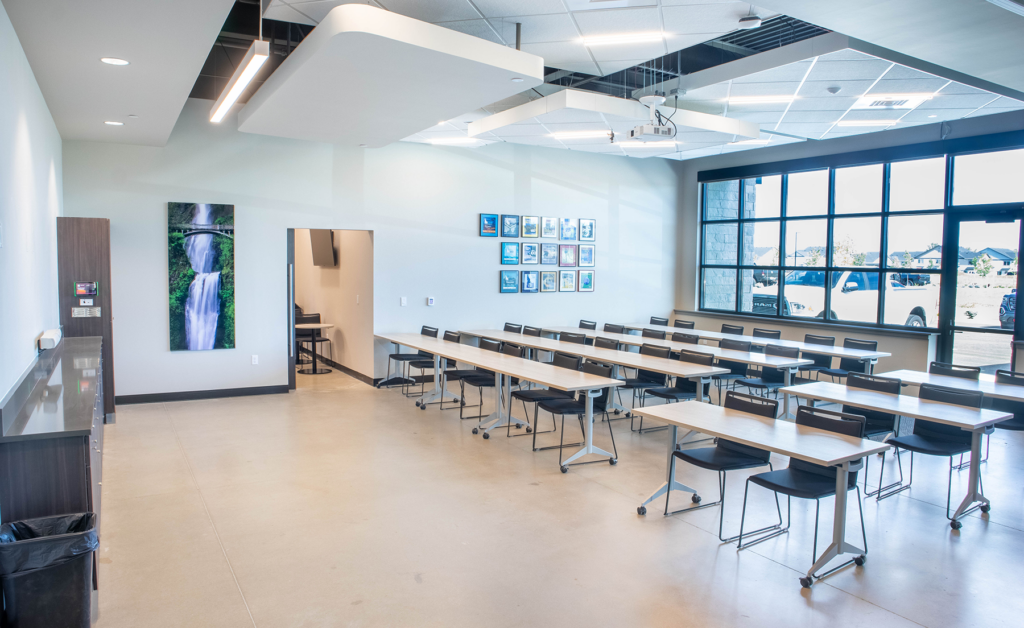
Flip Top tables can be easily moved and stored our of the way due to their nesting capabilities.
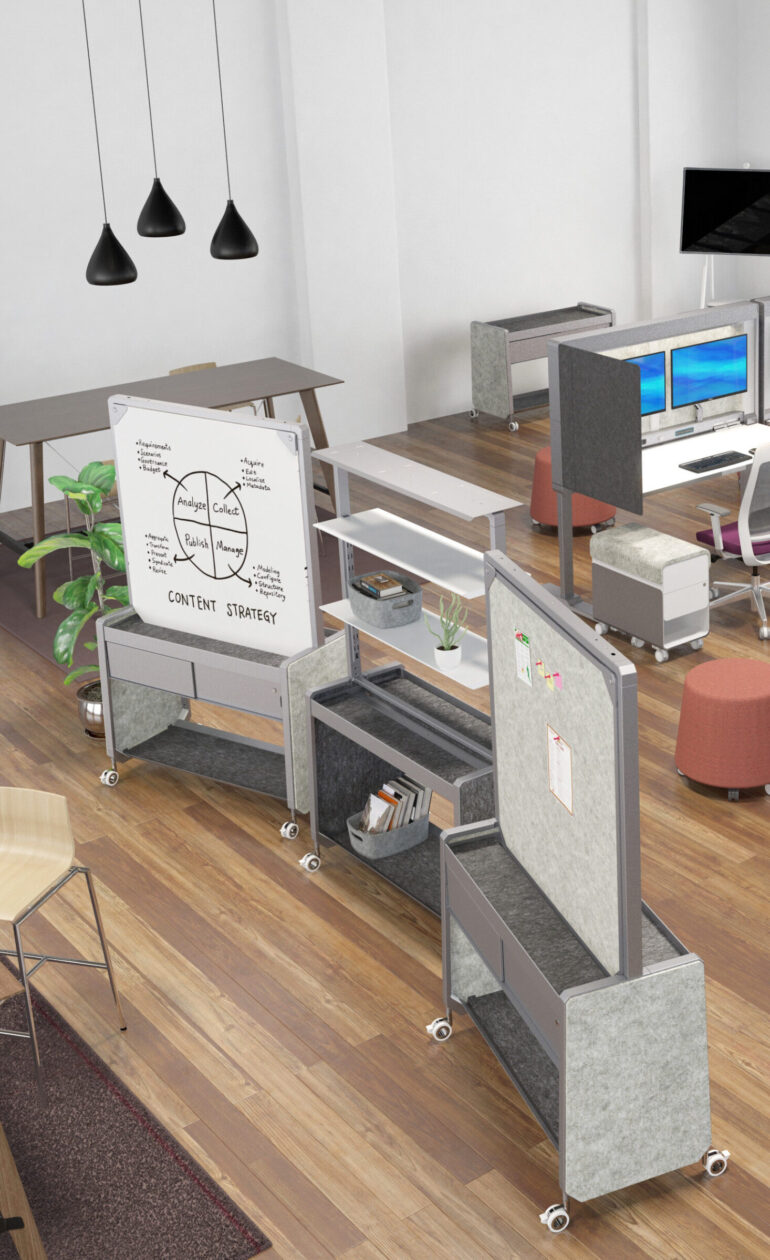
  • Whiteboarding Solutions: Products like the Flex Markerboard or Amobi cart allow teams to brainstorm and collaborate, even in small spaces. 
Amobi Mobile Carts come with a whiteboard, tackboard, or shelves.

Challenges and Considerations 

While downsizing office space offers many benefits, it also presents challenges: 

  • Employee Satisfaction: Downsizing can impact employee morale if not managed carefully. Transparent communication and involving employees in the planning process can help mitigate negative effects. 
  • Company Culture: Maintaining a strong company culture in a smaller, more dispersed workforce can be challenging. Companies need to invest in tools and practices that keep remote and in-office employees connected. 
  • Technology: Investing in technology for remote collaboration and communication is essential to ensure that teams can work effectively regardless of their location. 

Conclusion 

As economies and work styles continue to evolve, businesses must adapt their office spaces to remain efficient and effective. Downsizing square footage in favor of hybrid models presents challenges, but by designing spaces that employees need and want, companies can create a productive and satisfying work environment. Utilizing workplace analytics, collaborative furniture, and advanced technology can help organizations optimize their office space and thrive in the new world of work. Just make sure to keep your employees in the loop along the way to achieve buy in and meet their needs. 

Receive our Newsletter  

To receive our newsletter, including new editions of spaces and other digital content, fill out the form: 

pop up event

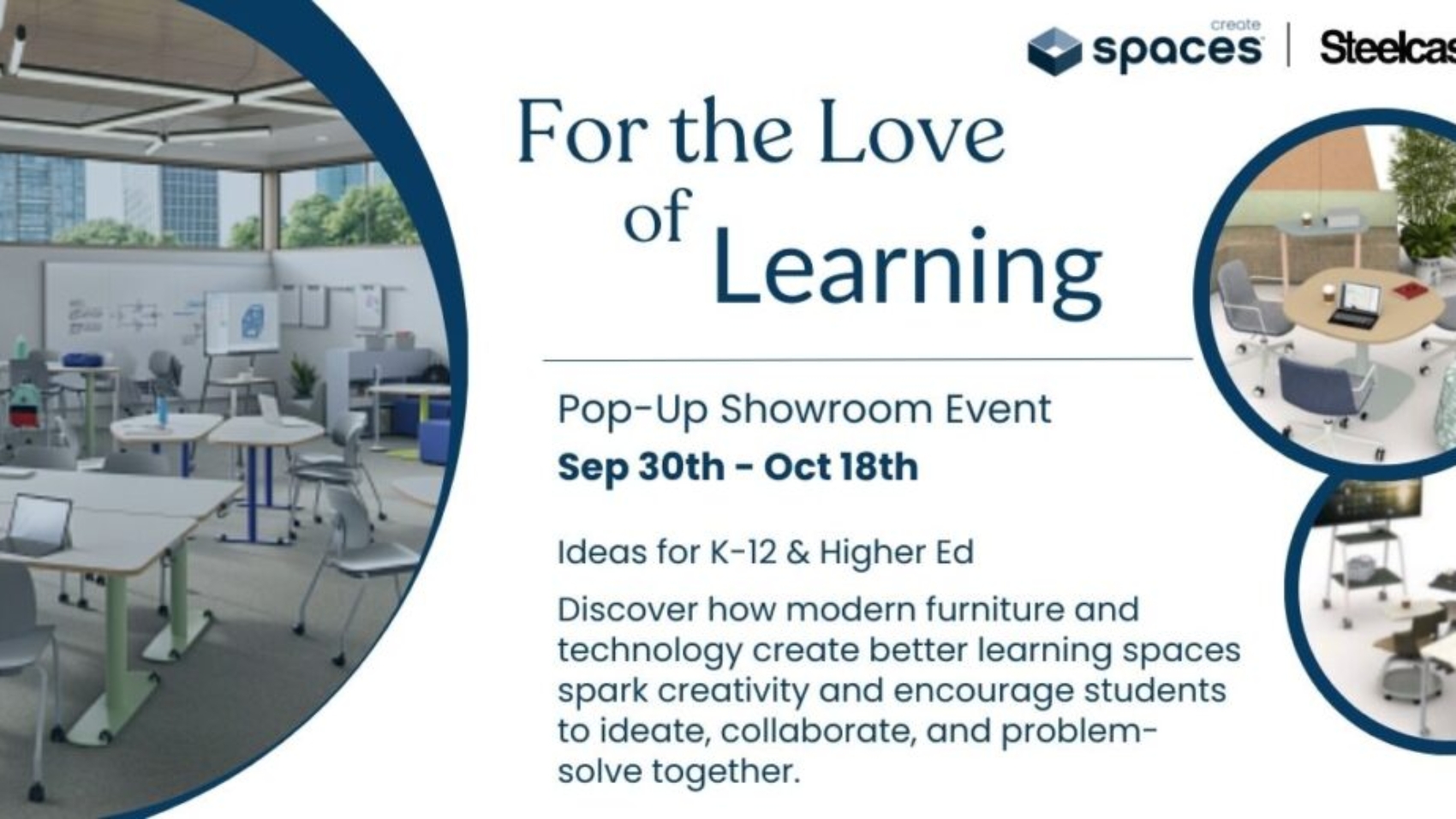
For the Love of Learning Pop Up Event

From September 30th – October 18th (3 weeks) Create Spaces will be hosting an education pop up in its Boise showroom. At this pop up event, you will:

  • Discover how modern furniture and technology create better learning spaces that spark creativity and encourage students to ideate, collaborate, and problem-solve together.
  • See you the furniture, technology and tools to support teaching and learning.
  • Experience today’s best learning spaces that inspire people to become engaged, active learners both inside and outside of the classroom.
  • Learn our newest insights and applications that support better experiences for learning
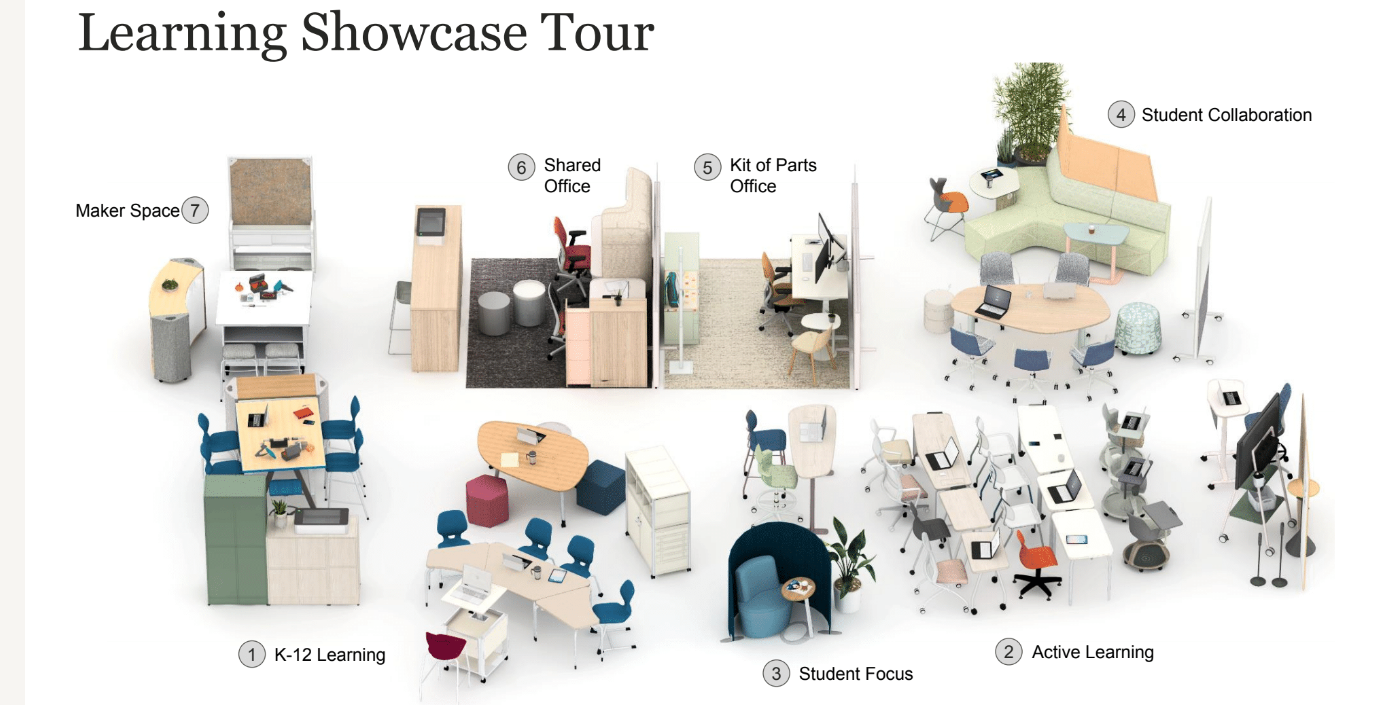
Learning Showcase Tour

Spaces you will see

This pop up is helpful for educators in both k-12 and higher education levels. During your tour, you will see many examples of:

  • Collaboration spaces
  • Active learning spaces
  • Student focused spaces
  • Maker spaces

Sign up to attend the pop up today!

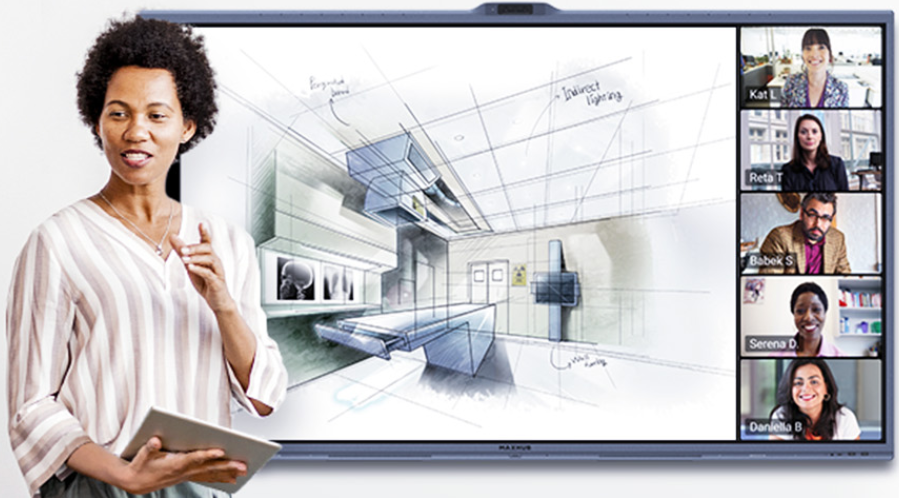
MaxHub

Technology you will see

Throughout the tour, you will also see an assortment of technology including:

HyFlex Classroom:

Display: 

Video:

Cameras:

  • AI driven multi-camera setup with speaker tracking 

Audio

  • Nureva HDL310

As a side demonstration we will be showing Humly Desk Reservation 

RSVP HERE

Receive our Newsletter  

To receive our newsletter, including new editions of spaces and other digital content, fill out the form: 
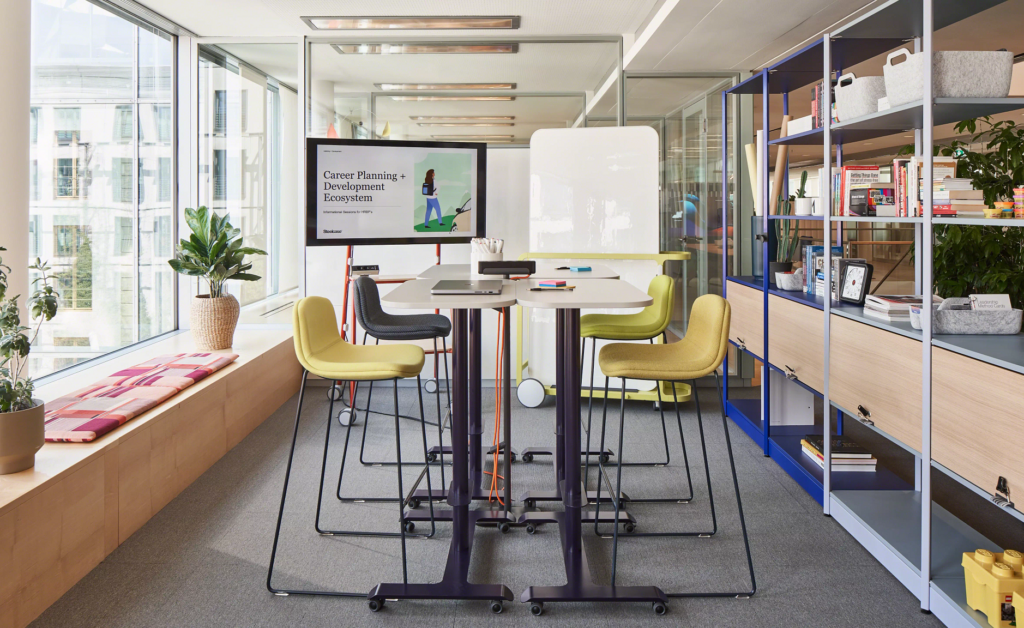
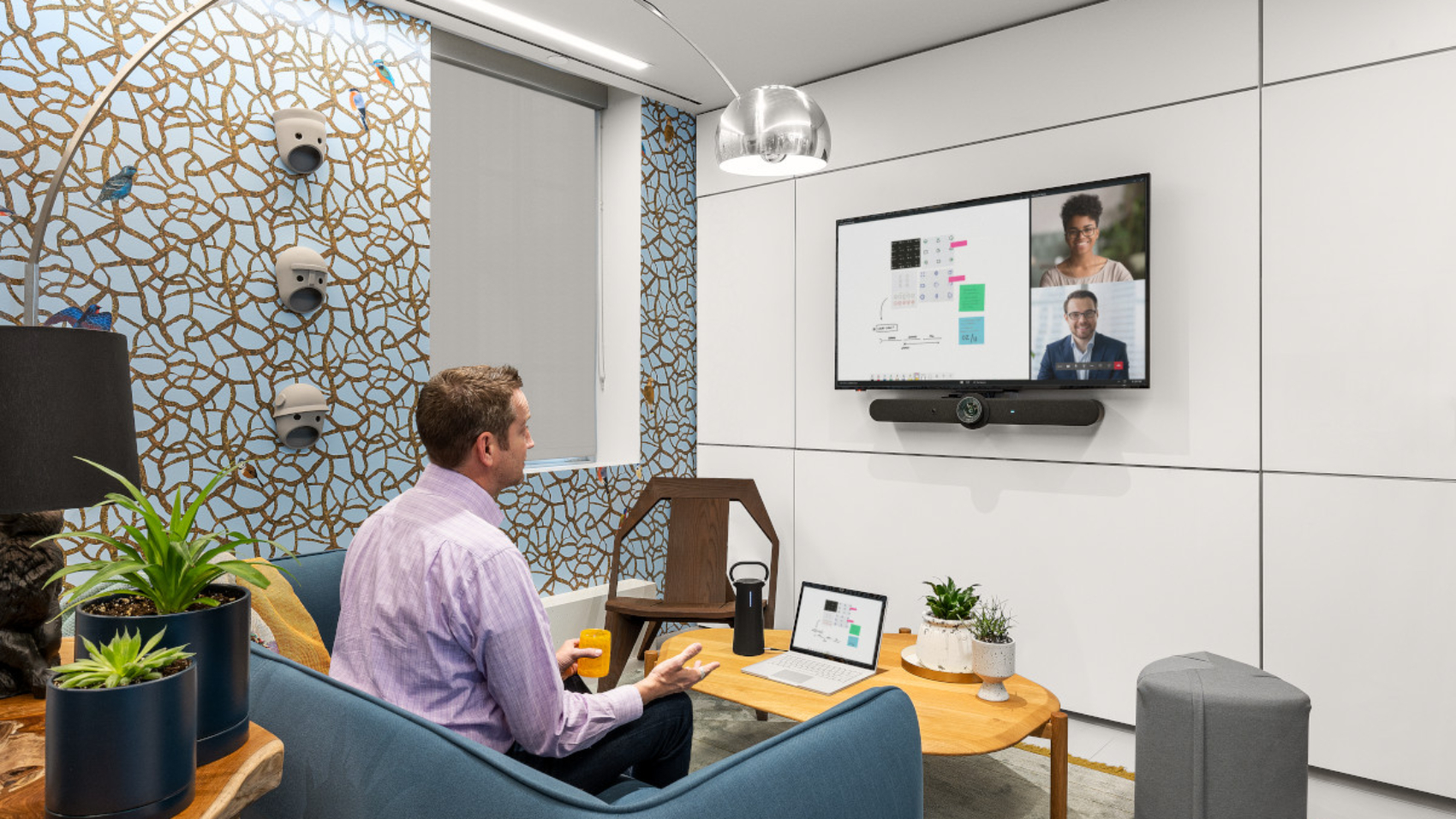
Conference room with integrated audiovisual technology and video conferencing system

What Is Video Conferencing? Definition, Types, and Equipment

What is video conferencing? It’s live video and audio communication between people in different locations. Participants see and hear each other in real time over the internet, using cameras, microphones, and screens.

Video Conferencing Definition

In simple terms, it lets two or more people meet face to face without being in the same room. It works on laptops, phones, and dedicated conference room systems.

Key features include:

  • Live, two-way video and audio
  • Screen sharing for documents and presentations
  • Chat, recording, and virtual whiteboards on most platforms
  • Access from almost any device with an internet connection

How Does Video Conferencing Work?

Every platform follows the same basic steps:

  1. Capture: a camera and microphone record each participant.
  2. Compress: software called a codec shrinks the video and audio so it travels quickly.
  3. Send: the data travels over the internet to a platform like Zoom or Microsoft Teams.
  4. Connect: the platform delivers each person’s video and audio to everyone else.
  5. Display: screens and speakers play the meeting for each participant.

Because every step depends on the network, a stable, wired connection makes the biggest difference in call quality.

Types of Video Conferencing

Point-to-Point

A point-to-point call connects two people or two locations. For example, an in-office employee and a remote coworker review a project together.

Multipoint

A multipoint meeting connects three or more locations at once. For example, a team in a conference room meets with clients and remote employees at the same time.

Room-Based

Room-based systems use dedicated equipment built into a meeting space. As a result, anyone can start a meeting with one tap, without connecting a laptop.

Webinars and Broadcasts

Webinars stream one presenter or panel to a large audience. Attendees usually watch and ask questions through chat rather than appearing on camera.

What Equipment Do You Need for Video Conferencing?

Video Conferencing on a Computer

For one person, a computer with a built-in camera and microphone is enough to join most meetings. In addition, a headset improves audio and reduces background noise.

Equipment for a Meeting Room

Meeting rooms need equipment that covers the whole space, so everyone is seen and heard:

  • Display: sized so everyone sees remote participants and shared content
  • Camera and microphones: often combined in an all-in-one video bar
  • Speakers: clear audio without echo
  • Controller: a touch panel that starts meetings with one tap
  • Network: a wired connection and structured cabling for stable video

For example, Create Spaces equipped conference rooms at Diversified Fluid Solutions with Neat Bars, Neat Pad controllers, and 75-inch 4K displays. Learn more about the 4 types of video conferencing rooms and what each needs.

Where Is Video Conferencing Used?

Businesses, schools, hospitals, and government agencies all rely on video meetings. Common uses include team meetings, client presentations, training, telehealth, and remote learning. See 10 real video conferencing examples.

Advantages and Disadvantages

Video calls save travel time and cost, support remote work, and connect teams worldwide. However, they also bring challenges like technical issues, security concerns, and meeting fatigue. Read the full breakdown of the advantages and disadvantages of video conferencing, including how to fix each problem.

Frequently Asked Questions

What is video conferencing in simple words?

It’s a live video call between people in different places. Participants see, hear, and share content with each other in real time.

What are the main types of video meetings?

The main types are point-to-point, multipoint, room-based, and webinars. Each fits a different meeting size and purpose.

What do you need for video conferencing?

You need a camera, a microphone, speakers, a screen, and an internet connection. Meeting rooms add larger displays, video bars, and touch controllers.

Is Zoom a video conferencing platform?

Yes. Zoom and Microsoft Teams are the two most common platforms for business